Beijing Non-negotiable Anchors & Best Gear for DIY Travelers
BEIJING’S NON-NEGOTIABLE ANCHORS//TRANSIT-INSPIRED APPAREL
Current list of the most visited site in beijing—and the piece that made them look like a seasoned local regular, not a lost target.
Discover why most people keep coming back, the secret to wellness and safety in 34°C with 78% humidity while commuting during summer (June-August) and important things you should not miss – shared by a member of the Tour & Tell Travel community and has been edited for clarity and structure.
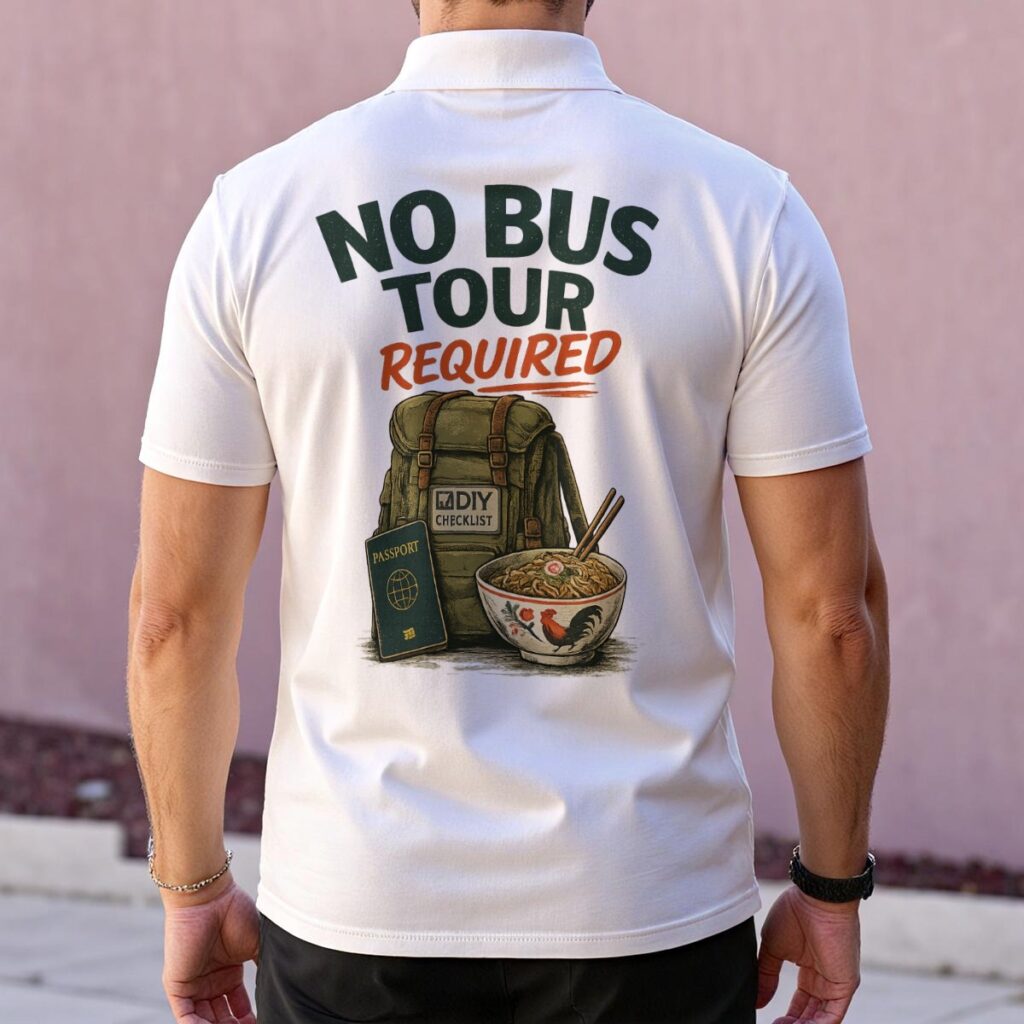
The shirt aren’t just a souvenirs, they’re reminders of the story and celebrate the adventures taken.
🌞
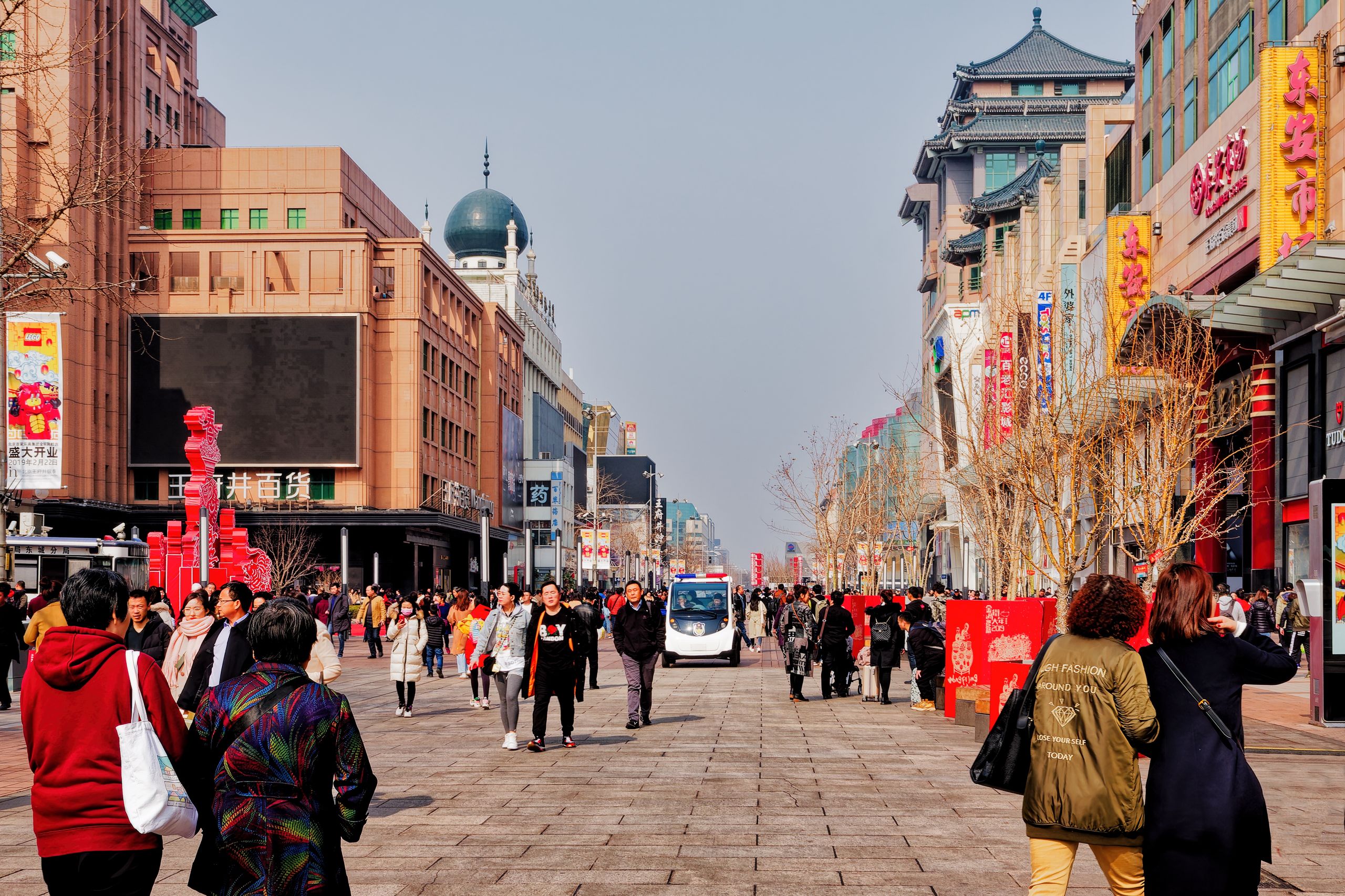
The Forbidden City is the most visited site in the world by some measures — over 14 million annual visitors before the quota system. The quota was introduced because the volume had reached 80,000+ people per day and the experience was degrading. The 80,000-person quota still results in substantial crowds in summer. What it means practically: the main central axis of the Forbidden City — the Meridian Gate, the Hall of Supreme Harmony, the Hall of Middle Harmony, the Hall of Preserving Harmony — is continuously crowded. The east wing, the Palace of Peaceful Longevity, the garden at the north end, and the imperial treasury are where the crowd thins and the actual experience of scale becomes possible.
The hutong at 06:30 in summer is one of the better decisions available in Beijing. The narrow lanes retain the night’s cool air for about an hour after sunrise. Vendors are setting up, not yet operational. The morning light runs parallel to the east-west lanes. A 90-minute walk through Gulou and the Shichahai lakeside before breakfast covers more of the functional logic of the city than any museum exhibit about it.
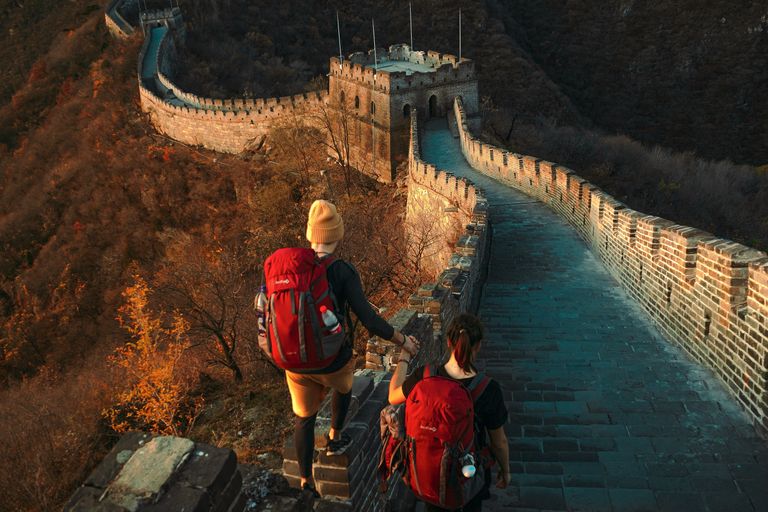
The Great Wall in summer morning mist — the valley is still in shadow, the ridge is in early sun — is a different landscape from the same ridge at noon in full sun. The trip is worth structuring around the first bus to catch this. It lasts about 45 minutes before the haze burns off and the light becomes flat and harsh. Those 45 minutes are why people extend their stay.
A breathable, soft daily-wear tee that moves moisture, layers under nothing, and doesn’t compound the heat index is the one gear decision that runs through every day of this route — from the platform at Tiananmen East to the ridgeline at Mutianyu.
Forbidden CityPalace Museum · Dongcheng
720,000 square metres. 980 buildings. The largest palace complex in the world by floor area, and the seat of 24 emperors across the Ming and Qing dynasties. The scale is not legible from photographs — the distance between the Meridian Gate (south entrance) and the north gate is 960 metres of open courtyard. In July heat this is a genuine physical challenge. Go first thing in the morning. The inner halls and side courtyards are where most of the actual collection is. The main central axis is what everyone photographs; the east and west wings are where the visit deepens. Closed Mondays. Pre-book mandatory via dpm.org.cn.
Mutianyu Great WallHuairou District · 75km from centre
The most accessible less-crowded section of the Great Wall from Beijing — 22 watchtowers, 5,400 metres of intact wall, forested ridgeline. Cable car access (up) and toboggan option (down). The ridge walk between Tower 6 and Tower 14 is the core experience — exposed, open view in both directions, 1,000+ metres above the valley. The wall at Mutianyu was built under General Xu Da in 1368 on the ruins of an earlier Northern Qi structure. The material underfoot is the same stone that was laid 650 years ago. No theme-park finish on this section. Take the morning bus and be at the ridge before the sun is directly overhead
Temple of HeavenTiantan · Chongwen District
The ritual complex where Ming and Qing emperors conducted annual ceremonies to pray for good harvests. The Hall of Prayer for Good Harvests (Qinian Dian) is the circular, three-tiered thatched-roof structure you’ve seen in photographs — it’s larger and stranger in person than expected. The complex is also a public park used by locals for morning tai chi, badminton, card games, and communal singing. Arrive at 06:00 when the park opens and the morning activity is at its peak — before the tour groups arrive, the park has a particular social density that is specific to Beijing public life
Hutong DistrictsGulou · Nanluoguxiang · Shichahai
Beijing’s traditional alley neighborhoods — siheyuan courtyard housing arranged in the grid of lanes that predates the city’s modern development. Nanluoguxiang is the most tourist-facing (and most crowded) hutong strip. The Gulou (Drum Tower) area and the streets around Shichahai lake are quieter and more functionally residential. What the hutong actually are, structurally: narrow east-west running lanes (historically between 9 and 12 meters wide, many narrower now) flanked by the south-facing courtyard house entrances. The orientation was deliberate — every courtyard faces south for light. Walking the lanes and reading the direction of the gates is reading the city’s original urban logic.
Summer PalaceYiheyuan · Haidian District
The imperial garden complex at Kunming Lake — 2.9 square kilometers, 75% water surface. The Long Corridor (changlang) is a 728-metre covered walkway with over 14,000 painted scenes on its beams, running along the north shore of the lake. It is also, practically, one of the few shaded walking routes in Beijing summer. The marble boat at the western end is a Qing dynasty folly built by the Empress Dowager Cixi with funds diverted from naval modernization — a widely known act of institutional spending misaligned with its stated purpose. Worth seeing for what it represents more than what it is.
⚠️Entry fee verification required: Forbidden City tickets — ¥60 high season (Apr 1–Oct 31), ¥40 low season — must be booked in advance via the Palace Museum’s official website (dpm.org.cn). The Forbidden City is closed on Mondays and frequently sells out days ahead during peak season (July–October). Temple of Heaven, Summer Palace, and Lama Temple require separate booking or on-site purchase. Confirm all entry fees and booking requirements before travel — prices and booking systems change.
The kind of garment that earns its place in the bag by never becoming the problem.
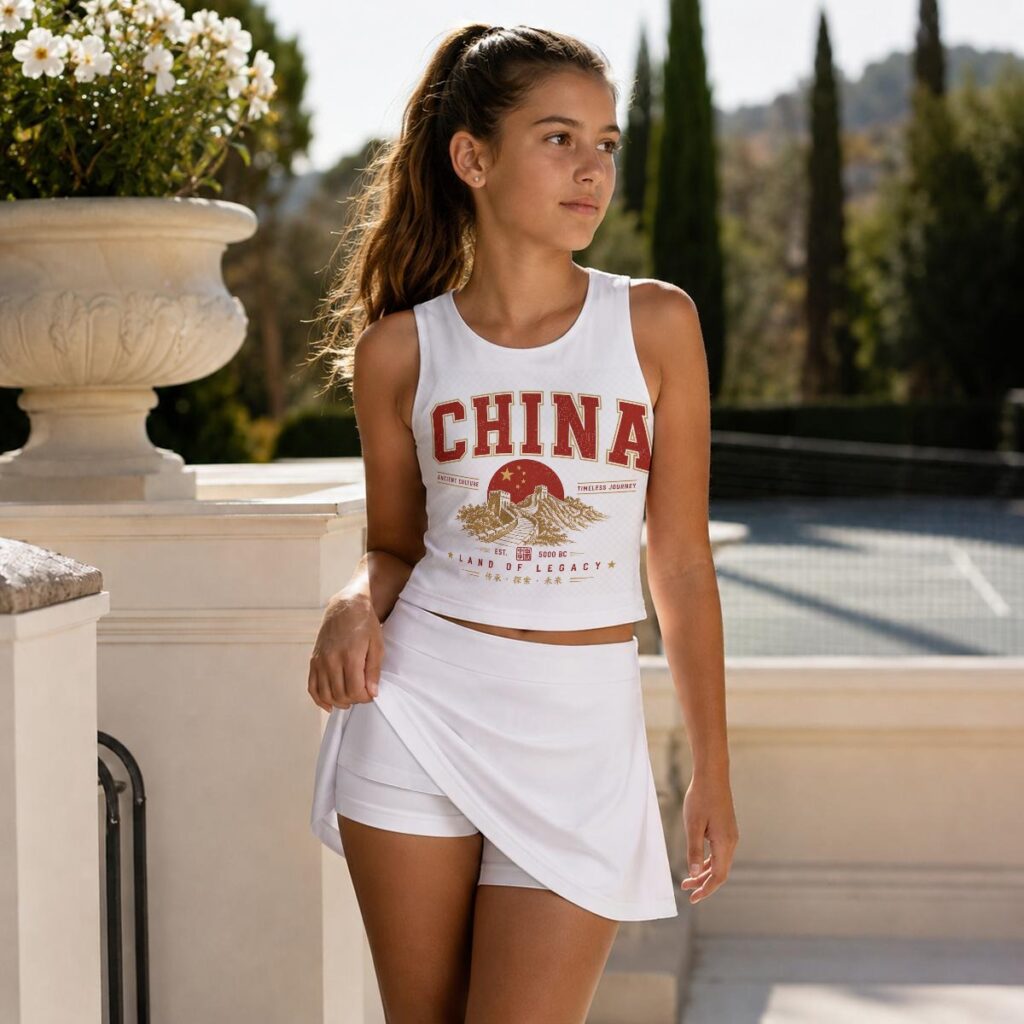
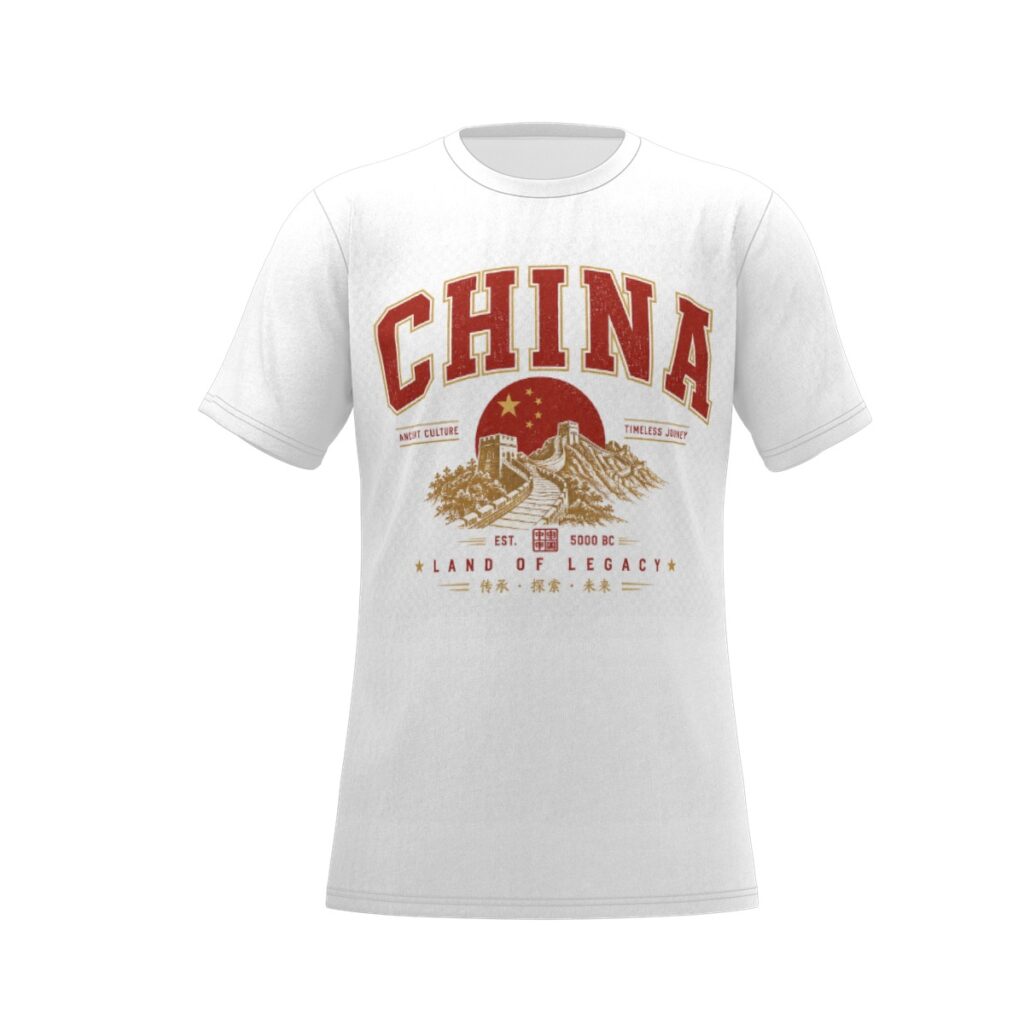
China varsity sleeveless shirt | the Destination Series
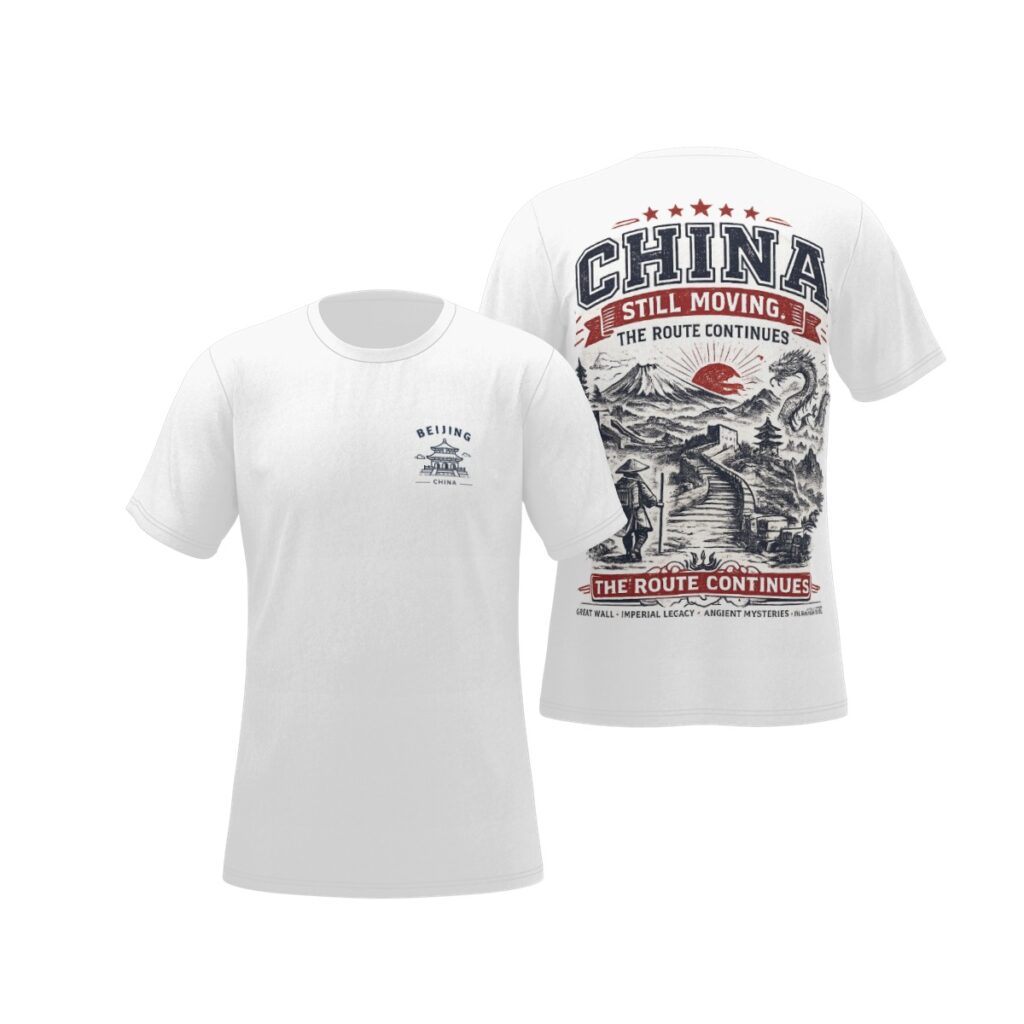
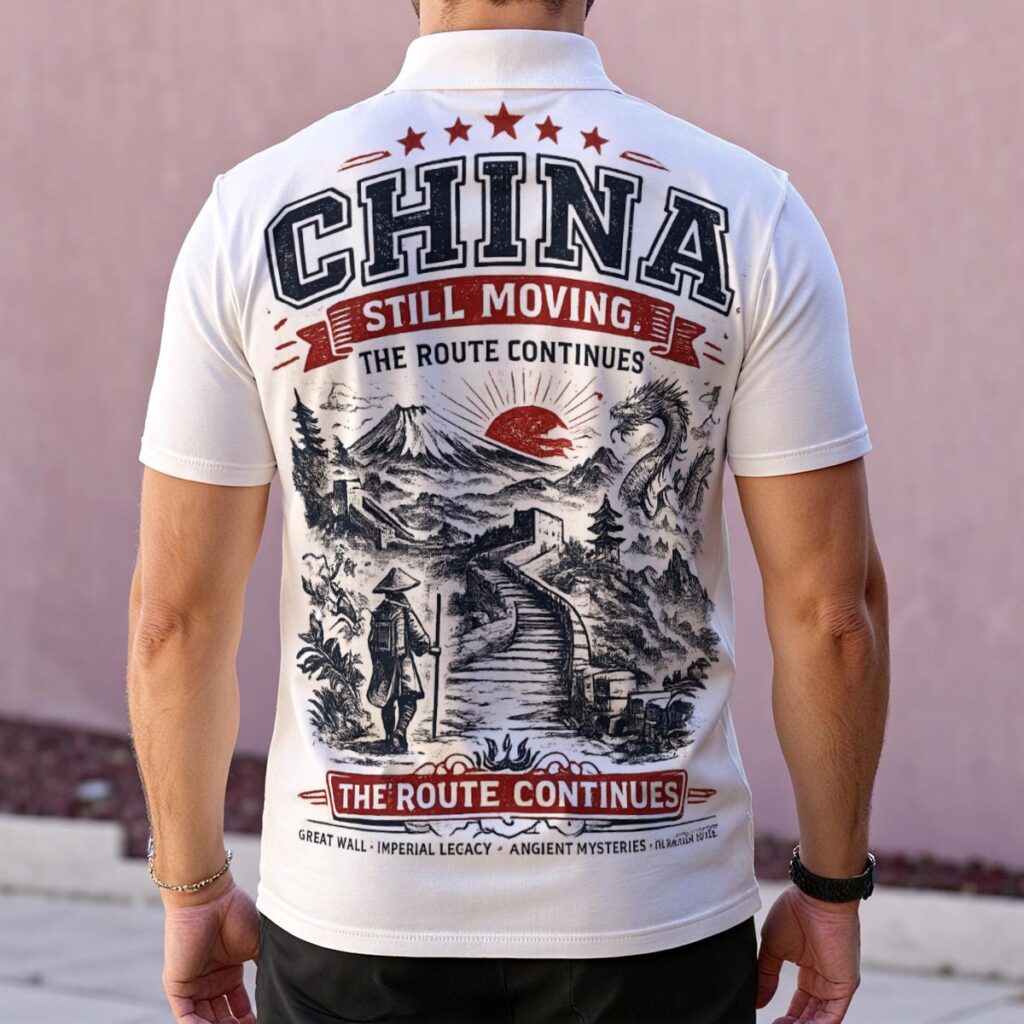
China Still Moving statement graphic design T-shirt
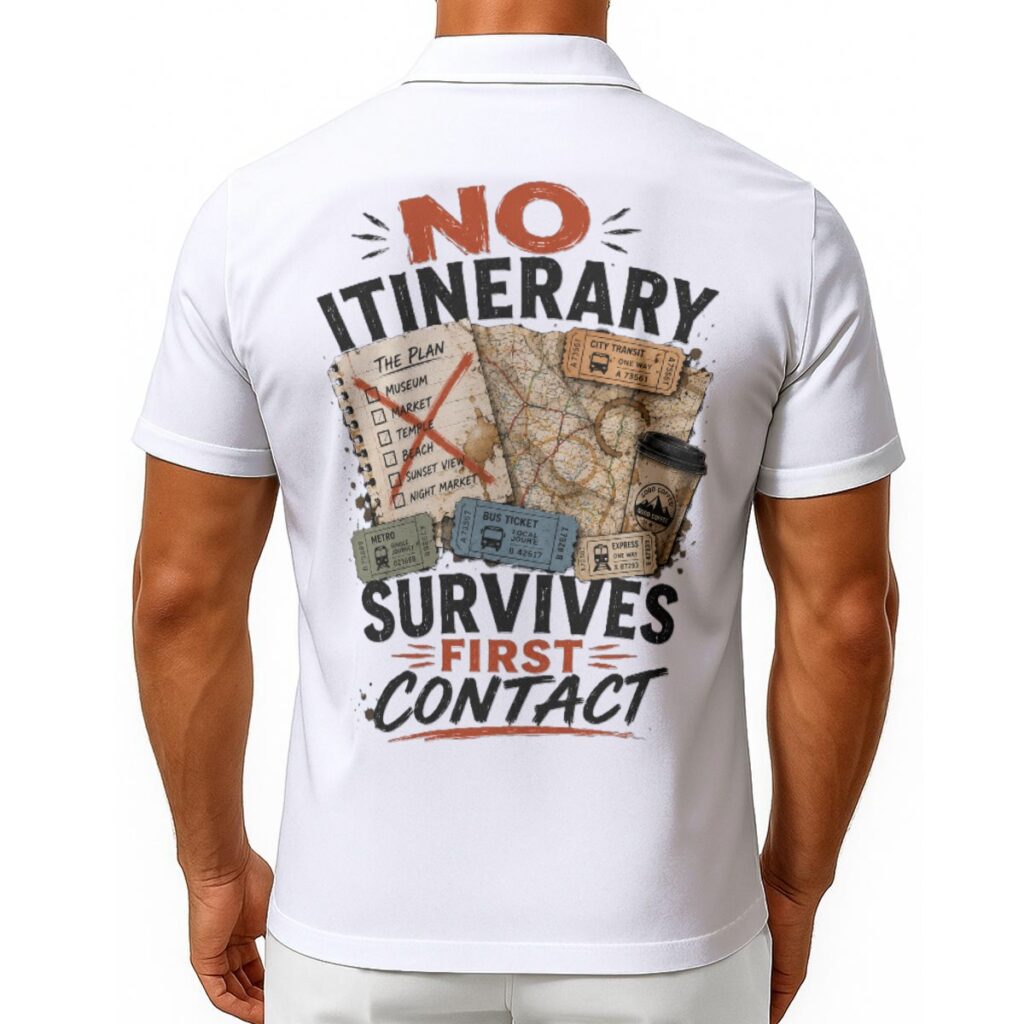
No Itinerary Button-up Shirt | The Backgrid Manifesto
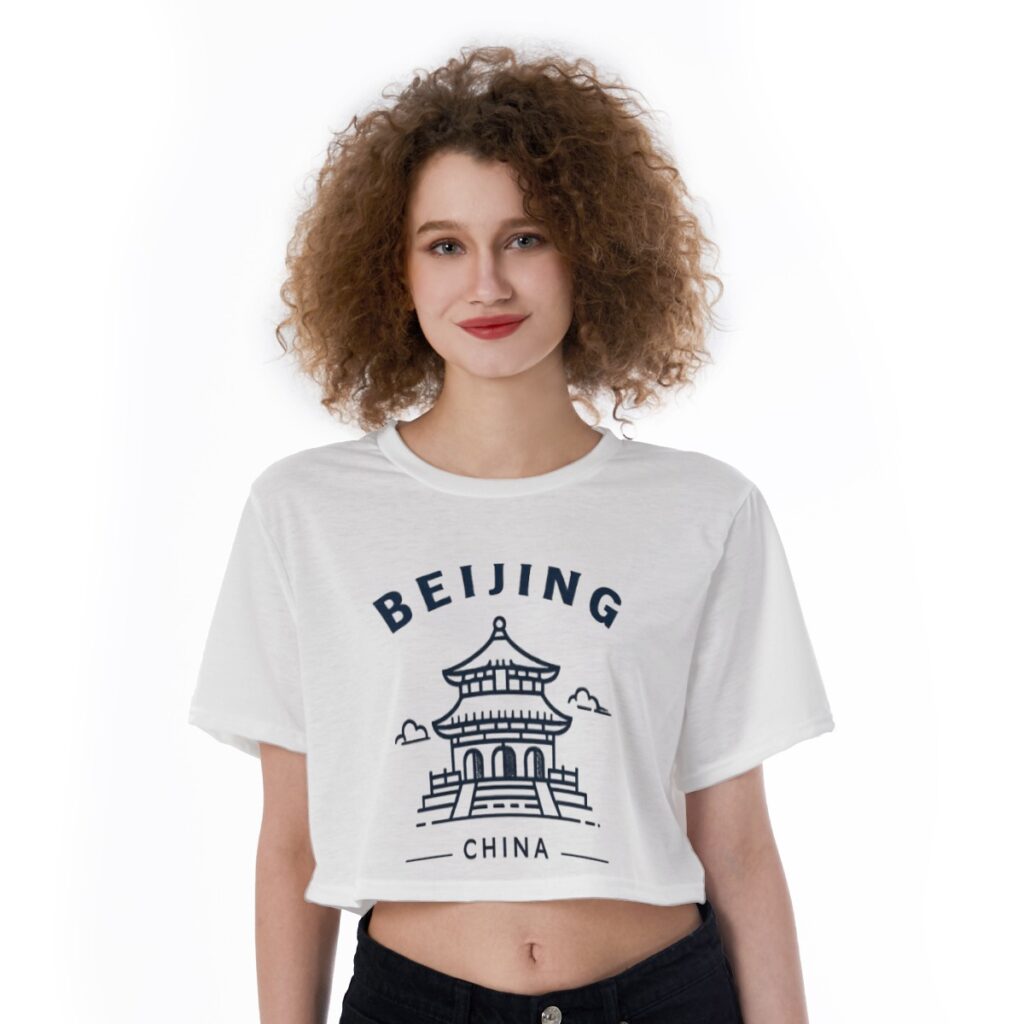
Beijing micro-route varsity cropped shirt
Field Notes — Hidden but not hidden Geometry
Important Things you should not miss
Chinese Yuan (¥ / RMB). China is effectively cashless — Alipay and WeChat Pay dominate. Both now support international Visa/Mastercard/Amex via their international versions. Set up before or immediately upon arrival. Carry ¥500–¥1,000 RMB cash as backup — small vendors and rural areas may only accept cash. China’s government mandated cash acceptance from merchants in February 2026, but enforcement is inconsistent. ATMs at Bank of China reliably accept foreign cards.
Google, WhatsApp, Instagram, Facebook, and most Western apps are blocked in mainland China. Download a VPN before arrival — VPNs cannot be downloaded once inside the country. Disable your VPN when using Alipay or WeChat Pay for transactions: the security system detects IP/GPS mismatches and will block payments. Use Baidu Maps for navigation (works without VPN). Google Maps works with VPN but can be slower
Mandarin Chinese. English signage is present throughout the metro system and at major tourist sites. At smaller restaurants, markets, and local transport stops, Mandarin is the primary language. Download Google Translate with Chinese (Simplified) offline pack and enable camera translation — it handles menus and signage effectively. Baidu Translate is an alternative that works without VPN.
29 lines as of December 2025. English announcements and signage throughout. Distance-based fares ¥3–¥9+ on standard lines. Capital Airport Express fixed ¥25. Tap-and-go with Visa/Mastercard/Amex at all 27 standard lines since mid-2025. Rush hours (07:00–09:30 and 17:00–19:30) are congested — avoid with luggage. Machines have English interface. App: Beijing Subway Official App has English support.
The Forbidden City, Mutianyu Great Wall (peak season), and some other sites require advance booking. Passport details required. The Forbidden City books up days to weeks in advance during summer. Do not arrive without a confirmed ticket for the Forbidden City — walk-in access is not permitted. Book via the Palace Museum official site (dpm.org.cn) or authorised third-party platforms.
July–August are Beijing’s hottest and most humid months. Heat index regularly exceeds 36°C. The Forbidden City, Temple of Heaven, and Great Wall sections have minimal shade. Schedule outdoor visits for 08:00–10:00 before the peak heat. Carry a 600ml+ water bottle — vendors inside major sites charge premium prices. Metro carriages are air-conditioned: the route between outdoor sites is the interval to recover
insiders note about Commuter Wellness & Safety
💡“The Forbidden City alone is 1.5km end to end. The Summer Palace outer circuit is 6km. Mutianyu ridge walk is 1.5km of staircase. Budget 15,000–22,000 steps per day and plan your water accordingly — not from vendors inside the sites.“
Summer heat protocol: The Forbidden City and Temple of Heaven have minimal shade structures. The UV index in Beijing in July averages 9 (very high) with peaks above 10. Schedule all major outdoor visits before 10:00. The metro is fully air-conditioned — use it as a recovery interval between outdoor sites. Carry electrolyte tablets or drinks; sweat rate in 34°C with 78% humidity is significantly higher than most travellers anticipate from temperate home climates.
Air quality: Beijing’s air quality has improved measurably since 2017 but remains variable. PM2.5 levels spike during certain weather patterns. Check the AQI in the morning via an app (AirVisual works without VPN on cellular data). On high AQI days (above 150), consider shifting outdoor visits to indoor alternatives: the National Museum of China (east side of Tiananmen Square, free entry with passport registration, enormous collection), the Capital Museum in Xicheng, or the 798 Art District.
Safety: Beijing is a low street-crime city for tourists. The primary hazards are: unlicensed art gallery touts near Tiananmen (the “art student” scam — decline and walk away), unmetered black taxis at airports and stations (only board metered red taxis or booked Didi rides), and counterfeit currency from informal money changers (exchange only at banks or official exchange windows).
Why People Extend Their Stay and you should too
The standard reason: there’s more to see. Seven days covers the primary circuit. Jinshanling or Simatai (the unrestored, hike-only Great Wall sections east of Mutianyu) require a full additional day and a higher fitness threshold. The 798 Art District needs more than a half-day to move through properly. Badaling and Juyongguan are additional Wall sections with different characters. The National Museum of China is genuinely one of the largest collections in the world and requires multiple visits to read at depth.
The less-expected reason: the food infrastructure at the neighbourhood scale. The hutong districts in particular have a density of small restaurants, street food operations, and courtyard cafes that rewards a slower pace. Jianbing (savoury crepe from a street cart, ¥12–¥18) for breakfast. Zhajiangmian (noodles with fermented bean paste sauce) for lunch at a neighbourhood restaurant without an English menu. Hot pot for dinner in Sanlitun or Guijie (Ghost Street), the latter famous for running 24 hours with 200+ restaurants on a single street. None of this requires a food tour to access. It just requires being on foot in the right neighbourhood at the right time.
What follows you home
You come back with photographs that look like every other photograph of the Forbidden City, because the Forbidden City is one of the most photographed places on earth and the viewing angles are fixed by the architecture. What you come back with that isn’t in the photographs: the weight of the stone under foot at 08:00 on the central axis when the gates have just opened and the crowd hasn’t built yet. The specific quality of silence in the Hall of Mental Cultivation — not museum silence, but the silence of a room that has absorbed 600 years of consequential decisions and doesn’t particularly need to explain itself to you.
The transit tee went into the bag breathable and came out functional. It was on the metro platform at Dongzhimen at 7am, on the ridge at Mutianyu at 10am, in the hutong at dusk. It absorbed the summer and kept moving. That’s the whole job description.
Adapt and continue. The route always has another leg. Explore The Great Wall 7-day self-guided ground route adventure. More to discover at The Route Files.
⚠️ Departure day logistics: Do not attempt the Airport Express during rush hour (07:00–09:30) with large luggage — carriages are congested and luggage space is limited. Schedule airport departures outside rush hour when possible, or use Didi for a direct airport transfer (more expensive but door-to-door).
Beijing by Season
Autumn (Sep–Oct)
Optimal. Clear skies, foliage, comfortable temperatures. Golden Week (Oct 1–7) is peak crowd — book everything months ahead.
Spring (Apr–May)
12–24°C · Possible sandstormsGood. Warm, long days. Sandstorms possible in April from Inner Mongolia. Book Forbidden City tickets early — spring is popular.
Summer (Jun–Aug)
27–34°C · 75–78% humidityHottest and most humid. Peak crowds. Rainy season July–August. Plan outdoor visits before 10am. This guide is built for this window.
Winter (Nov–Feb)
−9 to 6°C · Dry, clearCold and dry. Fewer tourists. Forbidden City in snow has a specific atmosphere. Heavy layering required. Some outdoor sites operate reduced hours.
About Our Travel Guides and Stories
Tour & Tell Travel guides are built on real stories and experiences shared by our community, then backed by rigorous research and edited for clarity and structure. Please verify all costs, routes, and recommendations before traveling.
⚠️All transport information verified against publicly available sources as of June 2026. Confirmed details include: Beijing metro fare structure (¥3 for ≤6km, ¥4 for 6–12km, escalating per official Beijing municipal government fare page at english.beijing.gov.cn); Capital Airport Express fixed fare ¥25; Daxing Airport Express ordinary class ¥10–¥35 (Wikipedia / official sources); 29 metro lines operational as of December 27, 2025 expansion. Tourist bus Qianmen to Mutianyu ¥80 round-trip confirmed via multiple operator sources.
Visa information: 30-day visa-free policy for 36+ countries and 240-hour transit visa-free policy for 55 countries confirmed via Beijing government official announcements and China Discovery. Electronic arrival card requirement confirmed as mandatory from November 2025. Visa eligibility changes frequently — verify your specific nationality’s status via official Chinese immigration channels before booking travel.
Forbidden City entry fees (¥60 high season, ¥40 low season) sourced from China Discovery (2026). Entry fees, booking systems, and operational hours for all Beijing attractions are subject to change. Confirm current details at dpm.org.cn (Forbidden City), official attraction websites, or on-site before travel. This route requires on-site confirmation for: current Mutianyu cable car and entry fees; Temple of Heaven all-inclusive ticket pricing; Summer Palace inner area fees; and Daxing Airport Express fare for your specific boarding station.
Content produced for educational and travel-planning purposes. Transit tee product references illustrate a daily-wear garment category. Last editorial review: June 2026.
Wear the Route Lifestyle Gallery
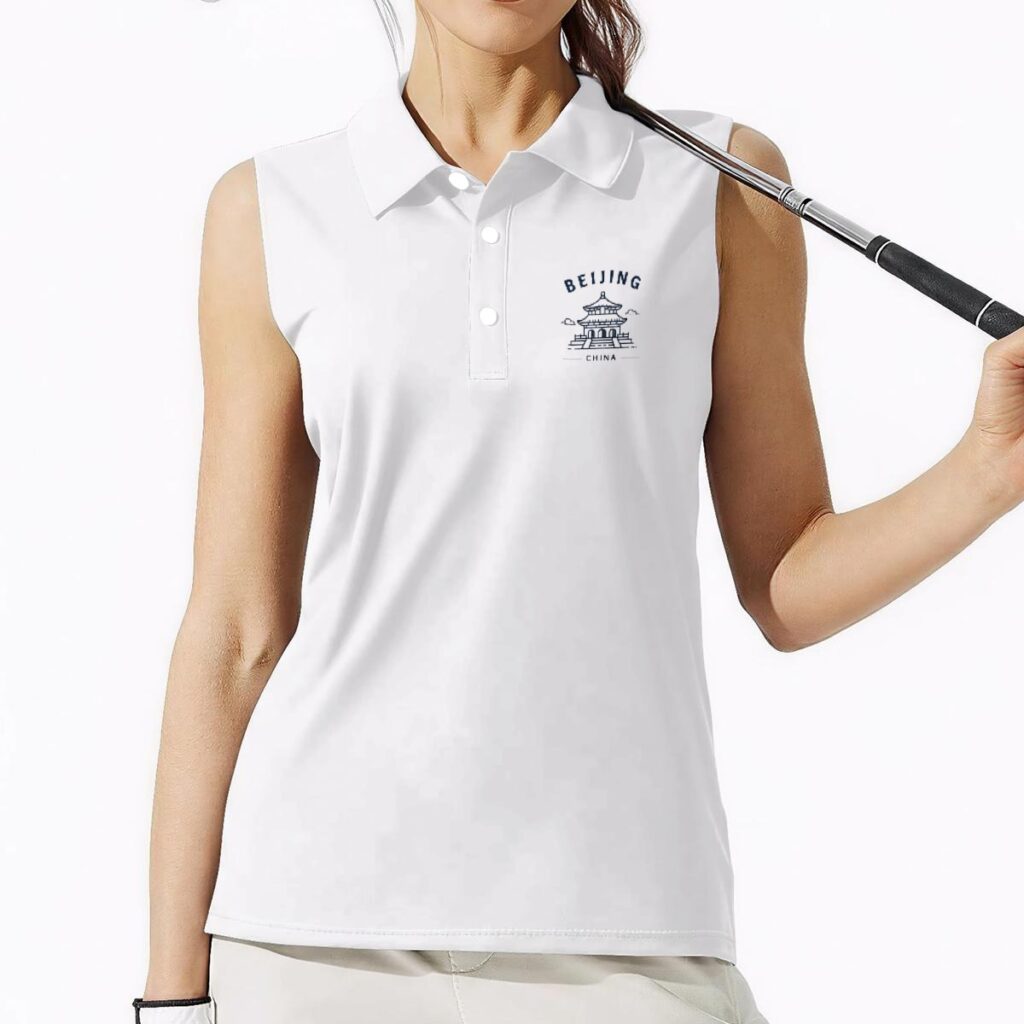
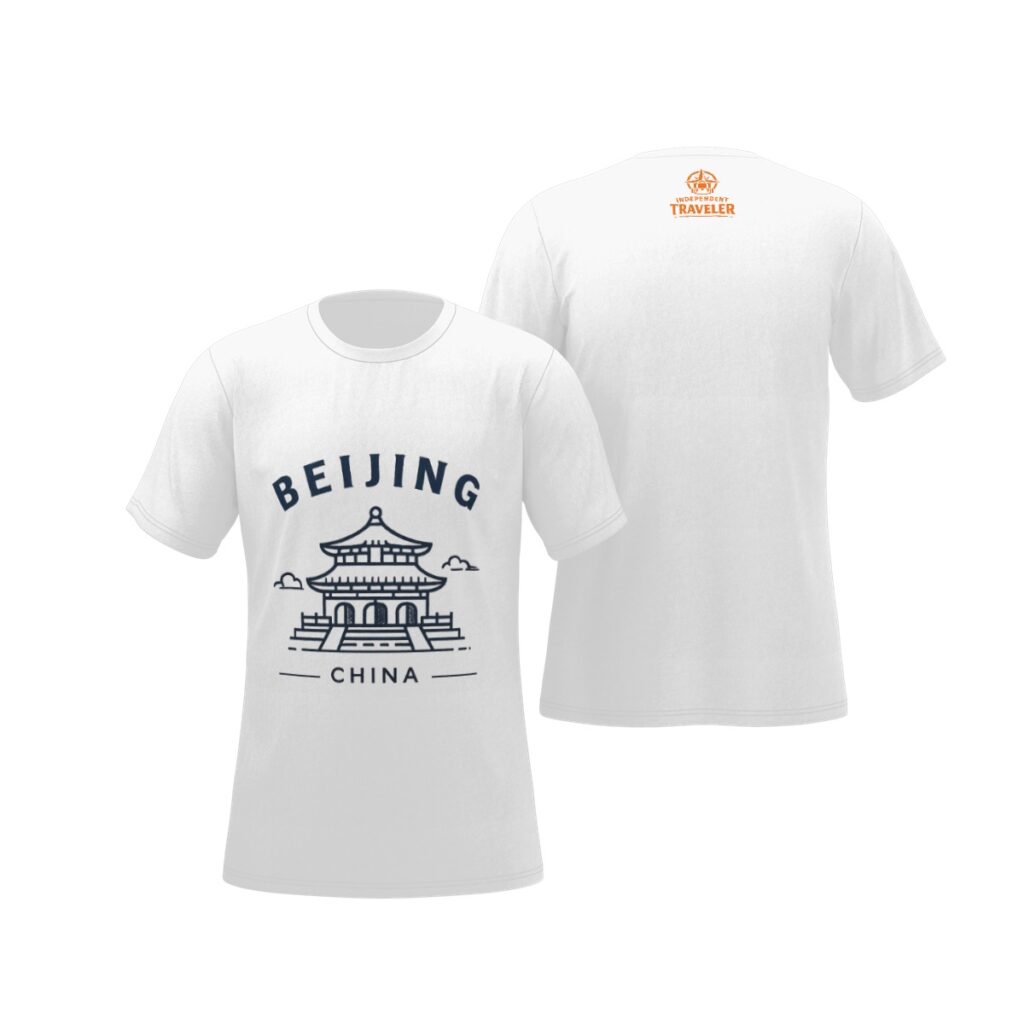
The Micro-Route Series for low-key local immersion where you want to blend in seamlessly.
Destination Varsity Series when you need durable, high-energy comfort for long transit days.
Backgrid Manifesto Serieswhen you want to make your independent travel ethos unapologetically clear to the crowd behind you.