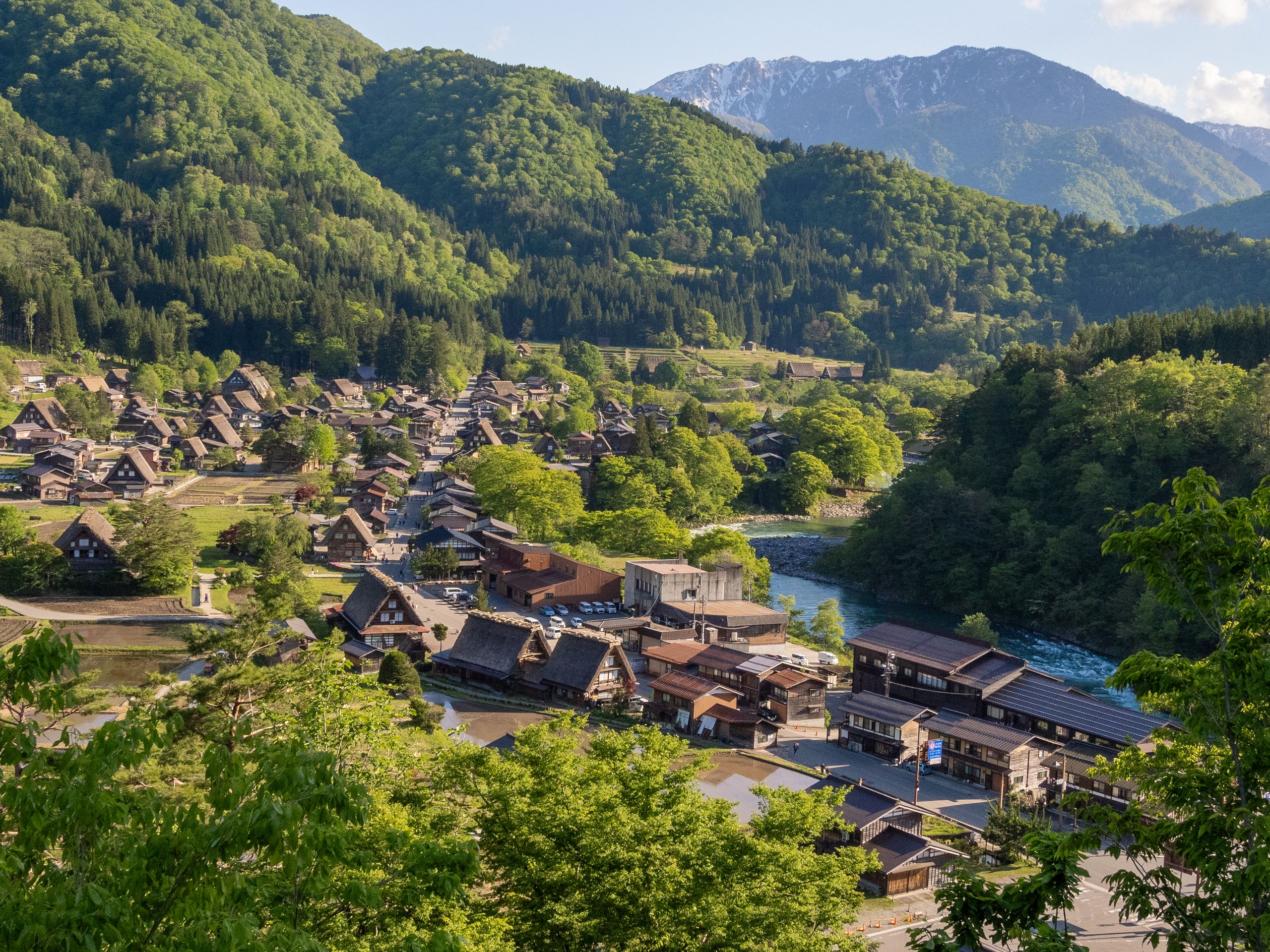
Shirakawa-Go DIY Guide & Best Gear in 3°C Japanese Alps
SHIRAKAWA-GO & TAKAYAMA, JAPAN DIY TRAVEL GUIDE//TRANSIT-INSPIRED DAILY WEAR
The highway bus route most tourists don’t know — and why it saves both time and money between Takayama and Kanazawa.

The local route that moves you through a UNESCO World Heritage village, a preserved Edo-era merchant town, and the mountain highlands of the Japanese Alps — on public transport, at the right fare, without a rental car.
The transit tee doesn’t perform here. It doesn’t need to. What this route demands is a single layer that works at 3°C in the mountain pass and doesn’t become a liability when you warm up inside a three-hundred-year-old farmhouse. A soft, breathable everyday shirt that goes from the bus seat to the snow path to the observation deck without asking anything of you.
The kind of garment that earns its place in the bag by never becoming the problem.
🏔️
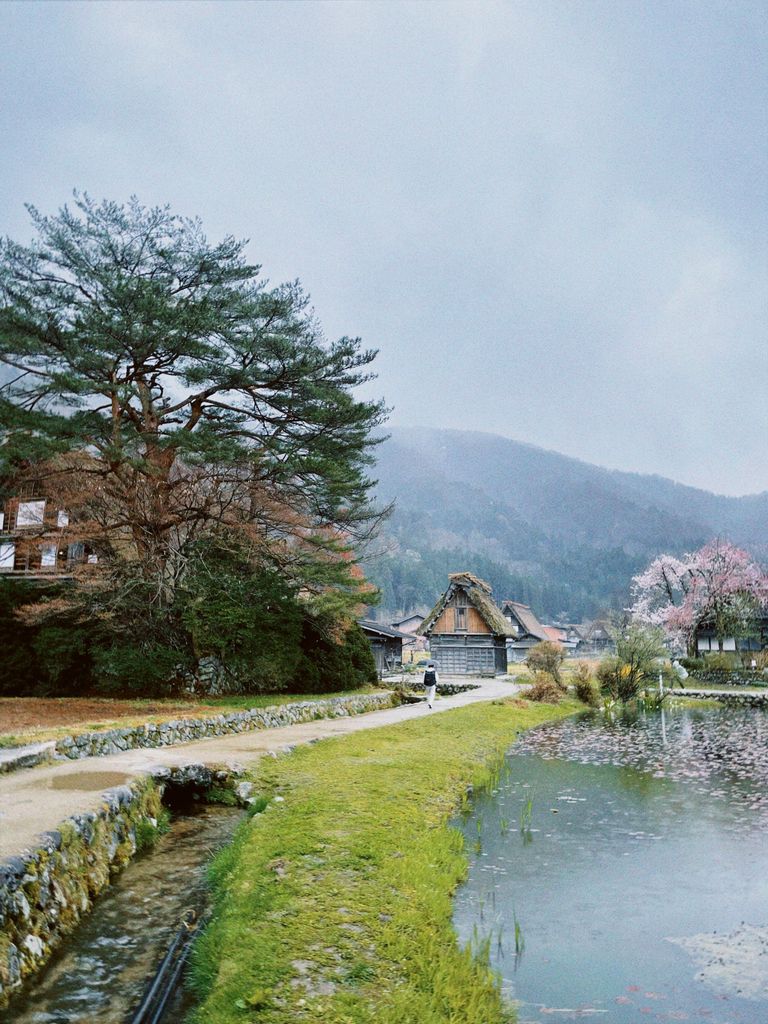
There are no trains to Shirakawa-go. That’s not an inconvenience — that’s the whole point. The only way in is a highway bus through the Japanese Alps, 50 minutes of mountain road that separates this UNESCO-listed village from the rest of the transit grid. When you step off the bus at Ogimachi and the scale of the gassho-zukuri farmhouses registers — steep thatched roofs designed to shed two metres of mountain snow, structures built for a climate that would crush a conventional house — you understand immediately why the road was the last thing added, not the first.
The Local Route Most Travelers Miss
“The direct Nohi Bus from Takayama to Shirakawa-go takes 50 minutes and costs ¥2,600. Most first-timers spend an extra two hours and ¥3,000+ trying to reach the village by a combination of trains that don’t connect.”
There are no JR rail connections to Shirakawa-go. The village sits in a mountain valley off the main rail grid. The highway bus via Nohi Bus or Hokutetsu (from Kanazawa) is the only practical public transport option — and it’s faster, cheaper, and more direct than any train-plus-transfer route. This guide shows you exactly how to use it.
The Bus Route — How The Corridor Works
Nagoya → JR Hida Express ~2h → Takayama → Nohi Bus ~50min ¥2,600 → Shirakawa-Go → Nohi / Hokutetsu ~75min → Kanazawa
💡 The smart move: Route through rather than back-track. Leave Takayama by morning bus, spend the afternoon in Shirakawa-go’s Ogimachi, then continue the same bus route on to Kanazawa for the night — all on one transit corridor, no backtracking, no transfers. Buy two separate tickets (Takayama→Shirakawa-go, then Shirakawa-go→Kanazawa). Confirm current fares and schedules directly with Nohi Bus before travel — timetables updated April 1, 2026.
TAKAYAMA-SHIRAKAWA-GO-KANAZAMA TRANSIT GUIDE
Shirakawa-go & Takayama, Japan — 5-Day Ground Route
A practical, self-guided transit itinerary anchored on the Takayama–Shirakawa-go–Kanazawa highway bus corridor. Designed for independent travelers who want the full mountain highland experience without a rental car. All transport options verified June 2026.
Essential travel information you should not miss
Citizens of many countries (including most of Europe, USA, Australia, Philippines, Singapore, and others) receive 90-day visa-free entry to Japan for tourism. Confirm your specific nationality’s status with the Japan Ministry of Foreign Affairs before travel — rules vary. Passport must be valid throughout your stay.
Japanese Yen (¥ / JPY). Japan remains heavily cash-dependent. Suica and ICOCA IC cards cannot be used on Nohi Bus services to Shirakawa-go — carry cash for bus tickets. ATMs at 7-Eleven and Japan Post are most reliable for foreign cards. Credit cards accepted at hotels and some restaurants; not reliable at smaller village vendors.
Highway buses from Takayama and Kanazawa to Shirakawa-go can be booked via japanbusonline.com or at Takayama Nohi Bus Center (next to JR Takayama Station). Advance booking strongly recommended during peak seasons (spring, autumn foliage, winter illumination weeks). Tickets sold up to 15 minutes before departure if space available — but do not rely on this during busy periods.
Takayama-Hokuriku Area Tourist Pass (¥19,800) covers unlimited JR trains Nagoya–Takayama–Toyama plus buses between Takayama, Shirakawa-go, Kanazawa, Toyama, and Takaoka. Useful if combining multiple legs. Shirakawago Gokayama Route Ticket (¥3,980) for one-way Takaoka–Takayama corridor including Shirakawa-go stop-off. Confirm current pricing — fares and pass conditions change.
Ogimachi village is not a theme park or open-air museum — people live in the gassho-zukuri farmhouses. Respect resident privacy, follow posted signs, and stay on designated paths. The Shirakawa-go Tourist Association manages visitor flow; overcrowding, especially during winter illumination events, is actively managed.
Japanese. English signage is present at major tourist sites in Takayama and Shirakawa-go. Bus staff at Nohi Bus Center in Takayama generally assist with basic English. In smaller village shops and minshuku, Japanese is primary — useful to have Google Translate downloaded for offline use with camera translation.
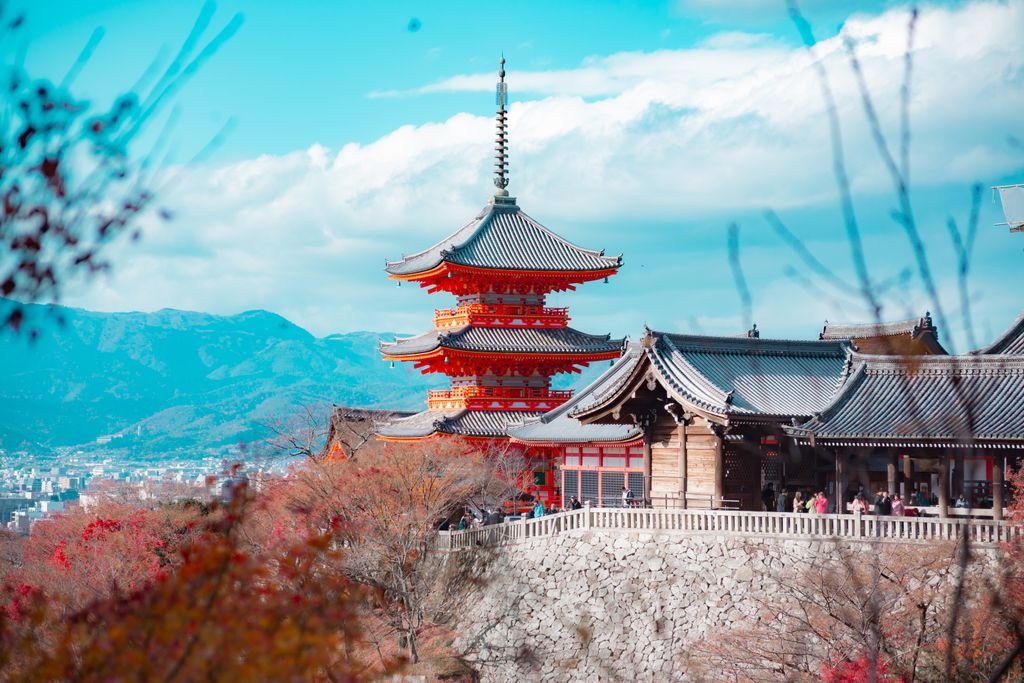
The Four Seasons to Choose from
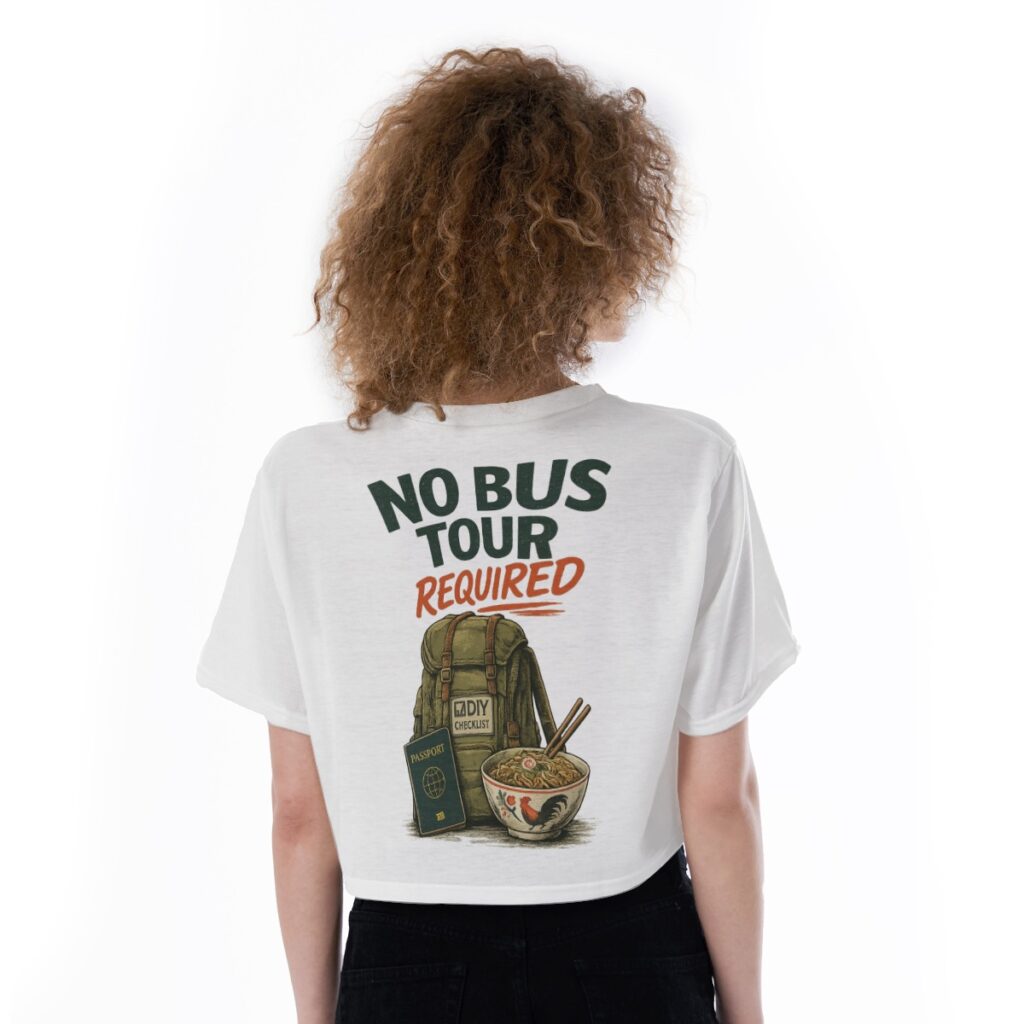
Travel-Inspired Statement Tee · Shirakawa-go Route · Daily Wear · POD
The Micro-Route Series: Tiny chest prints for silent coordination.
Wear the route. Own the story

Autumn (Oct-Nov)
Foliage peaks late October. Doburoku Festival in October (local sake, folk performance). Daytime 9–18°C, nights near 0°C by November. Highly photogenic. Shoulder-season crowd balance. Good entry point for first-timers.
Spring (Mar-May)
Snow melts, rice fields planted. Cherry blossoms in Takayama early April. Moderate temperatures 10–20°C. Golden Week (late April–early May) brings peak crowds — accommodation books out months ahead. Quieter shoulder in March.
Summer (Jun–Sep)
Greenest landscape of the year. Fewer foreign tourists. Humidity moderate due to mountain elevation. Daytime 25–30°C, cooler evenings. Rain season June–July. Off-peak pricing on accommodation. The uncrowded version of the route.
Winter (Dec–Feb)
1–2 metres of snow. Farmhouses at their most iconic. Illumination events Jan–Feb (limited quota, pre-booking essential). Temperatures −3 to 6°C. Roads open but delays possible. The definitive version of the village.
Field Notes: The Hidden but not hidden Geometry
🛖
The gassho-zukuri roof angle: The steep thatched roofs of Shirakawa-go’s farmhouses — typically 45–60 degrees — are not stylistic. The angle is calculated to shed snow before its weight exceeds the structural tolerance of the roof. The thatching material (Japanese pampas grass, kogomi) is layered to approximately 80cm thick in places, providing insulation and water resistance simultaneously. The steeper the roof, the further north and higher in altitude the building — the gradient is a climate map.
your Realistic Daily Budget — 5 Days Per Person / Solo Traveler
In Japanese Yen (¥). Budget tier = guesthouses/minshuku + local transport + entry fees + meals at local restaurants. Mid-range tier adds ryokan accommodation and more dining flexibility. Exchange rate fluctuates — verify before travel.
5-Day Total (Excl. International Flights)
| ~¥34,000–¥54,000 | ~¥71,000–¥119,000 |
⚠️ Fare confirmation required: JR fares, Nohi Bus fares, and entry fees are estimates based on verified sources as of mid-2026. JR fares depend on seat reservation class (reserved vs unreserved). Minshuku overnight prices in Shirakawa-go vary significantly by property and season — booking windows open 3–9 months in advance and sell out within hours during winter illumination weekends. Confirm all bus fares and schedules at nouhibus.co.jp or japanbusonline.com before travel.
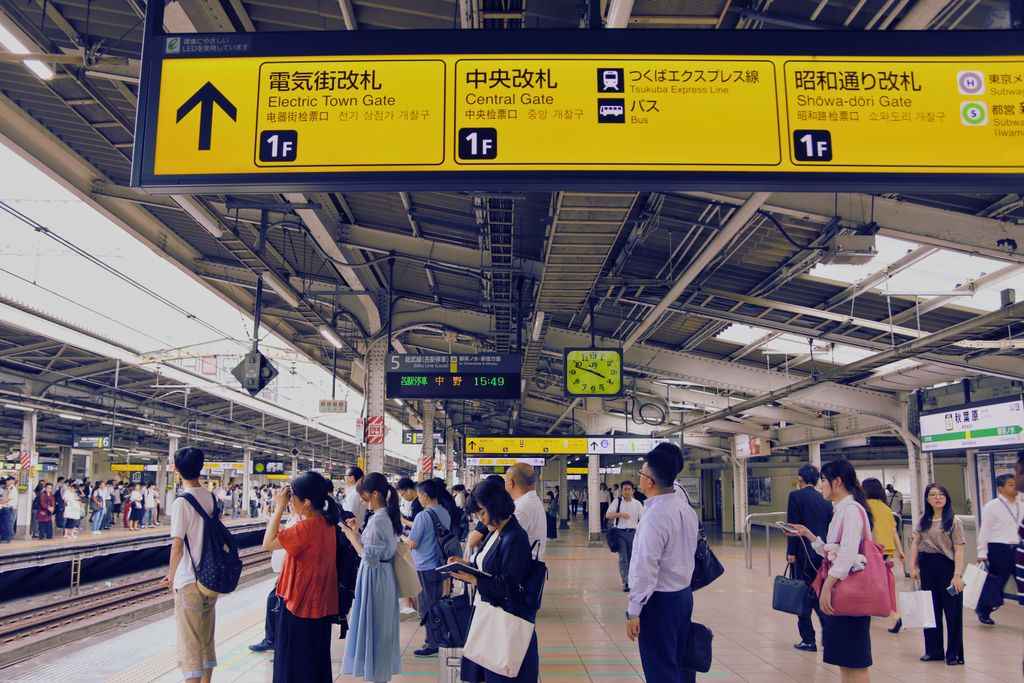
Local Transport Hierarchy
Travel-Inspired Statement Tee · Shirakawa-go Route · Daily Wear · POD
Destination Varsity Series: Classic, bold typography prints across the chest that feels like an exclusive club for independent navigators.
Wear the route. Own the story

Nohi Bus (Takayama → Shirakawa-go)— The primary and most practical option. Approximately 50 minutes. Fare: ¥2,600 one way (adult). Departs from Takayama Nohi Bus Center, adjacent to JR Takayama Station. Some services require reservation; others are unreserved. Book via japanbusonline.com or at the bus center. 16 round-trip services per day as of April 2026 — confirm current timetable.
Hokutetsu / Nohi Bus (Kanazawa → Shirakawa-go)— Direct service from Kanazawa Station. Approximately 75 minutes. Fare: approximately ¥2,800 one way. Operated jointly by Hokuriku Railroad (Hokutetsu) and Nohi Bus. Reservations recommended, especially for morning departures. Confirm via official websites.
JR Hida Express (Nagoya → Takayama)— Primary rail approach to the region. Approximately 2h 25min. Fare varies by class and reservation — confirm current pricing via JR Central. Japan Rail Pass holders: confirm Hida Express is included in your pass type before travel.
Walking (inside Ogimachi Village)— Shirakawa-go’s Ogimachi village is compact. The entire village is walkable in 2–3 hours at a relaxed pace. The observation viewpoint (Shiroyama Viewpoint) is a 10-minute walk from the bus terminal and requires a short uphill climb. No internal transport needed inside the village.
Kaetsuno Bus (Shirakawa-go → Gokayama)— If extending to Gokayama’s villages (Suganuma and Ainokura), Kaetsuno Bus departs from Ogimachi. Fare: approximately ¥870 to Suganuma, ¥1,300 to Ainokura one way. Infrequent — confirm schedule and timing carefully before planning this leg.
Rental car / taxi (fallback only)— Private car gives more flexibility for Gokayama connections. Taxi from Shirakawa-go is expensive and not practical for solo travellers. If road conditions are affected by snow, confirm vehicle suitability before hiring.
Ground Zero — Route Logistics
Most travellers approach Takayama via JR Hida Limited Express from Nagoya (approximately 2h 25min). JR fares vary by class — verify current pricing. Takayama is also accessible from Osaka/Kyoto via Kanazawa and Toyama by Shinkansen + local connections. Takayama Station is the transit hub: the Nohi Bus Center is directly adjacent. Key logistic: store large luggage in coin lockers at the bus center (approximately ¥700) if doing a day trip to Shirakawa-go — the farmhouse paths are narrow and luggage is impractical.
Miyagawa Morning Market runs daily until noon along the Miyagawa River — fresh produce, local crafts, mitarashi dango, Hida beef skewers. Walk distance from the station. Sanmachi Suji (Kami Sannomachi street and surrounding lanes) is the preserved Edo-period merchant district: sake breweries with cedar ball (sugidama) hanging at the entrance signalling fresh sake, latticed wooden facades, craft shops. No entry fee for the district itself. Takayama Jinya — the last remaining Edo-period government outpost in Japan — charges ¥430 entry and is worth the hour. Get to Sanmachi Suji early (before 9am) if you want photos without tour groups in the frame.
Depart from Takayama Nohi Bus Center. Journey: approximately 50 minutes through mountain highway. Fare: ¥2,600 one way. Arrive at Shirakawa-go Bus Terminal (Ogimachi). The observation viewpoint (Shiroyama Viewpoint) is a 10-minute uphill walk from the terminal — do this first for the full village panorama before descending into the streets. Wada House: the largest gassho-zukuri farmhouse in the village, now a museum. Entry ¥300. Interior shows the multi-floor structure used for silk cultivation. Lunch at Irori restaurant (inside a gassho-zukuri building) or local alternatives — confirm current hours on arrival. Options: return to Takayama (¥2,600 roundtrip, book return in advance), or continue to Kanazawa on the same bus corridor (separate ticket, approximately ¥3,800–¥4,000).
Gokayama (Toyama Prefecture) is the quieter, less-visited sister World Heritage designation to Shirakawa-go. Smaller villages — Suganuma and Ainokura — with fewer modern buildings and less tourist infrastructure. Accessed by Kaetsuno Bus from Ogimachi (Shirakawa-go): approximately ¥870 to Suganuma, ¥1,300 to Ainokura. Buses are infrequent — plan around the schedule carefully. This extension adds a full day and requires either overnight in Shirakawa-go area or a longer day. Do not attempt as a rushed add-on to the main Shirakawa-go visit. This route requires on-site confirmation of current Kaetsuno Bus schedule.
Kanazawa is the natural continuation of the Takayama–Shirakawa-go corridor. Bus from Shirakawa-go to Kanazawa Station: approximately 75 minutes, fare approximately ¥2,800–¥4,000 (confirm current pricing). Kanazawa anchors: Kenroku-en garden (¥320 entry), Higashi Chaya geisha district, Kanazawa Castle Park. Kanazawa has good Shinkansen access back to Tokyo (Hokuriku Shinkansen, approximately 2h 30min) and connections to Osaka via Kyoto.
✅
This route requires on-site confirmation for: All bus departure times (timetables change seasonally — Japan-guide.com publishes the current Nohi Bus timetable but verify at source), current Nohi Bus and Hokutetsu fares, Kaetsuno Bus schedule for Gokayama connections, and minshuku availability in Shirakawa-go. For winter illumination events — the visitor quota is strictly enforced and pre-booking is mandatory. Do not arrive without a confirmed slot during illumination weekends.
your Quick Getting-Home Guide
Travel-Inspired Statement Tee · Shirakawa-go Route · Daily Wear · POD
The Backgrid Manifesto Series: Clean and minimalist chest print from the front, but makes a massive statement graphic design to make your independent travel ethos unapologetically clear to the crowd behind you.

JR Hida Limited Express from Takayama Station to JR Nagoya Station: approximately 2h 25min. From Nagoya: Shinkansen connections to Tokyo (1h 40min), Kyoto (35min), Osaka (50min). Confirm current JR Hida schedules and fares — Japan Rail Pass coverage depends on pass type. Reserve seats on the Hida in advance during peak seasons; the train is popular and fills up on weekend departures.
Kanazawa Station has direct Hokuriku Shinkansen connections to Tokyo (approximately 2h 30min). Also connections west via Tsuruga (Shinkansen extended to Tsuruga as of 2024, connecting to Osaka/Kyoto by limited express). Confirm current connections and fares — the Hokuriku Shinkansen extension has changed the routing options from Kanazawa significantly since late 2024.
If your timeline is tight: the Nohi Bus returns directly to Takayama (¥2,600, ~50 min) or continues forward to Kanazawa (~75 min, separate ticket). Last buses from Ogimachi toward Takayama and Kanazawa typically run in the late afternoon — confirm the current last departure time at the Shirakawa-go Bus Terminal before committing to afternoon activities that could cause you to miss the final service.
⚠️
Last bus timing is critical: Shirakawa-go has no alternative transport out of the village after the last bus departs. Taxis are not readily available. If you miss the last Nohi Bus, your options are limited. Know the last departure time before entering the village.
🗺️ Discover Shirakawa-Go most visited site, the reason why people keep coming back and you should too. Explore The Japanese Alps, the Ogimachi village. More to explore at The Route Files.
About Our Travel Guides and Stories
Tour & Tell Travel guides are built on real stories and experiences shared by our community, then backed by rigorous research and edited for clarity and structure. Please verify all costs, routes, and recommendations before traveling.
⚠️All transport information verified against publicly available sources as of June 2026. Confirmed details include: Nohi Bus Takayama–Shirakawa-go route fare approximately ¥2,600 (adult, one way) as reported by Snow Monkey Resorts and Japan-guide.com. Kanazawa–Shirakawa-go direct bus approximately 75 minutes, fare approximately ¥2,800 (confirmed via Yadotime, July 2025). Timetable updated April 1, 2026 per Japan-guide.com. Takayama-Hokuriku Area Tourist Pass ¥19,800 and Shirakawago Gokayama Route Ticket ¥3,980 sourced from Japan-guide.com. Winter illumination dates for 2026 sourced from Japan-guide.com.
Bus fares, JR train fares, and accommodation estimates are subject to change. IC cards (Suica/ICOCA) cannot be used on Nohi Bus highway services — verified per multiple independent traveller reports and bus operator information. Wada House entry ¥300 and Takayama Jinya ¥430 are reported figures — verify current entry fees on arrival.
This route requires on-site confirmation for: Last bus departure times from Ogimachi, current Nohi Bus and Hokutetsu fares, Kaetsuno Bus schedule to Gokayama, and winter illumination event quota booking procedures. Confirm all bus details directly at nouhibus.co.jp and japanbusonline.com before finalising travel dates.
Content produced for educational and travel-planning purposes. Transit tee product references illustrate a daily-wear garment category. Last editorial review: June 2026.
Wear the Route Lifestyle Gallery