Japanese Alps Ogimachi Village & Best Gear this Route Demands
SHIRAKAWA-GO NON-NEGOTIABLE ANCHORS//TRANSIT-INSPIRED APPAREL
the Japanese Alps, the non-negotiable sites and the piece that earns its place in the bag by never becoming the problem.
Discover Shirakawa-go non-negotiable spots – why most people keep coming back, the secret to wellness and safety at 3°C in the Japanese Alps mountain pass and important things you should not miss shared by a member of the Tour & Tell Travel community and has been edited for clarity and structure.
The shirt aren’t just a souvenirs, they’re reminders of your story and celebrate the adventures you have conquered on your own terms.
☃️
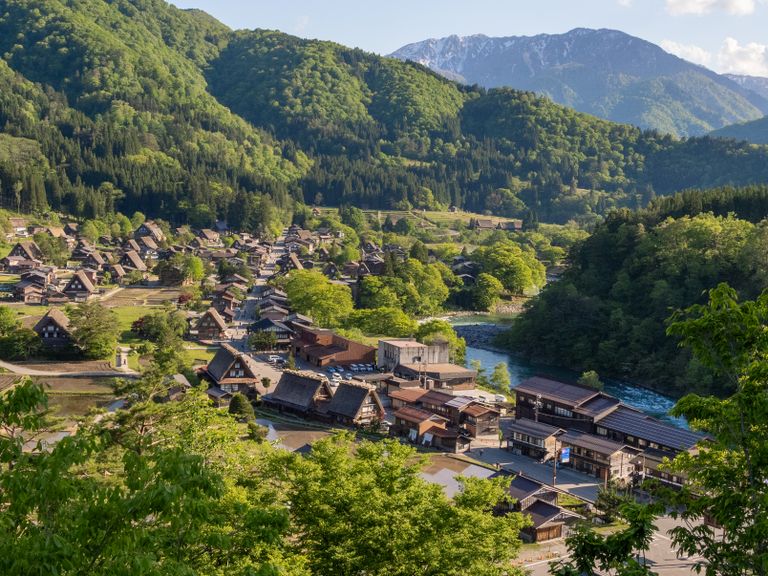
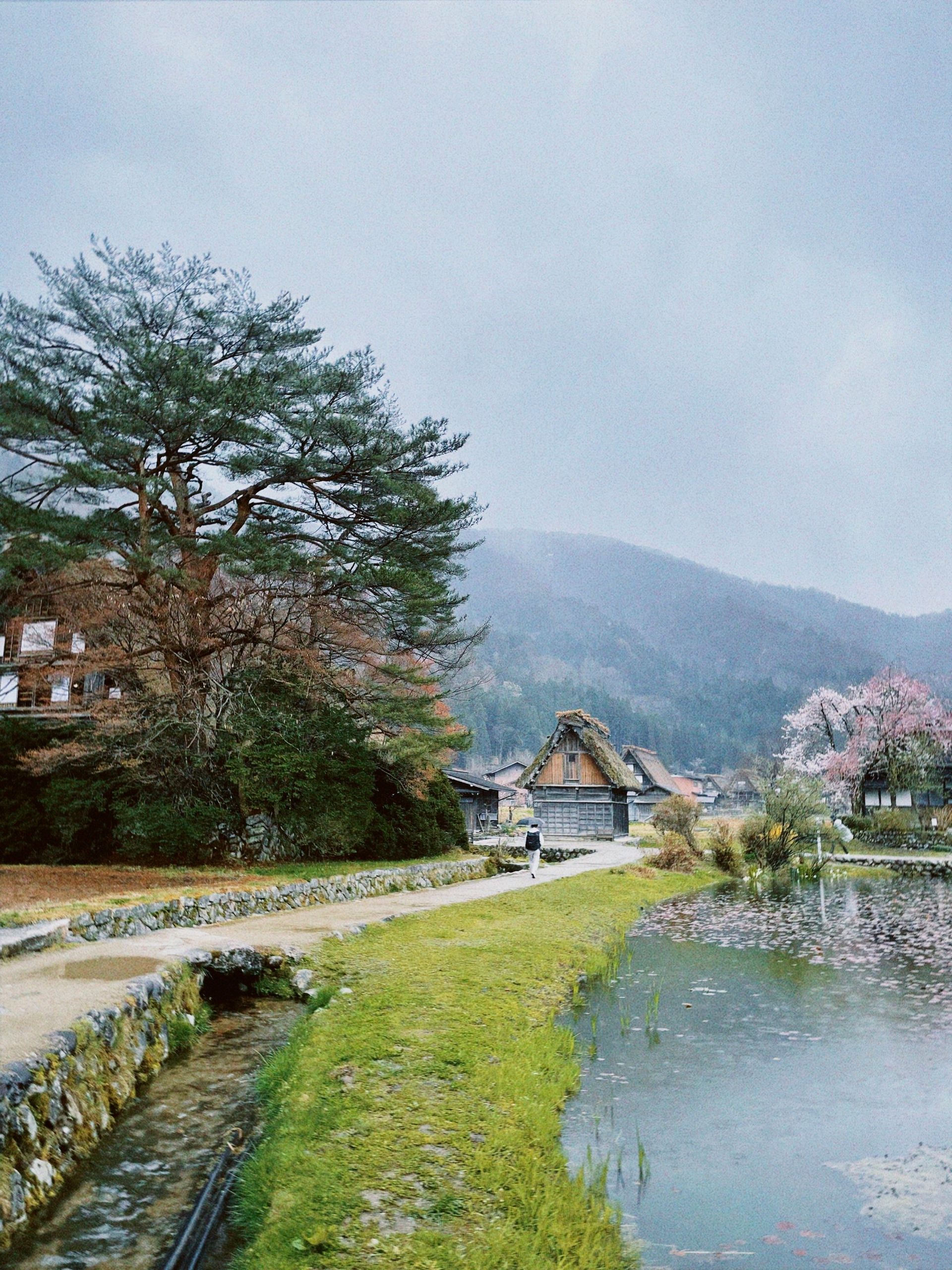
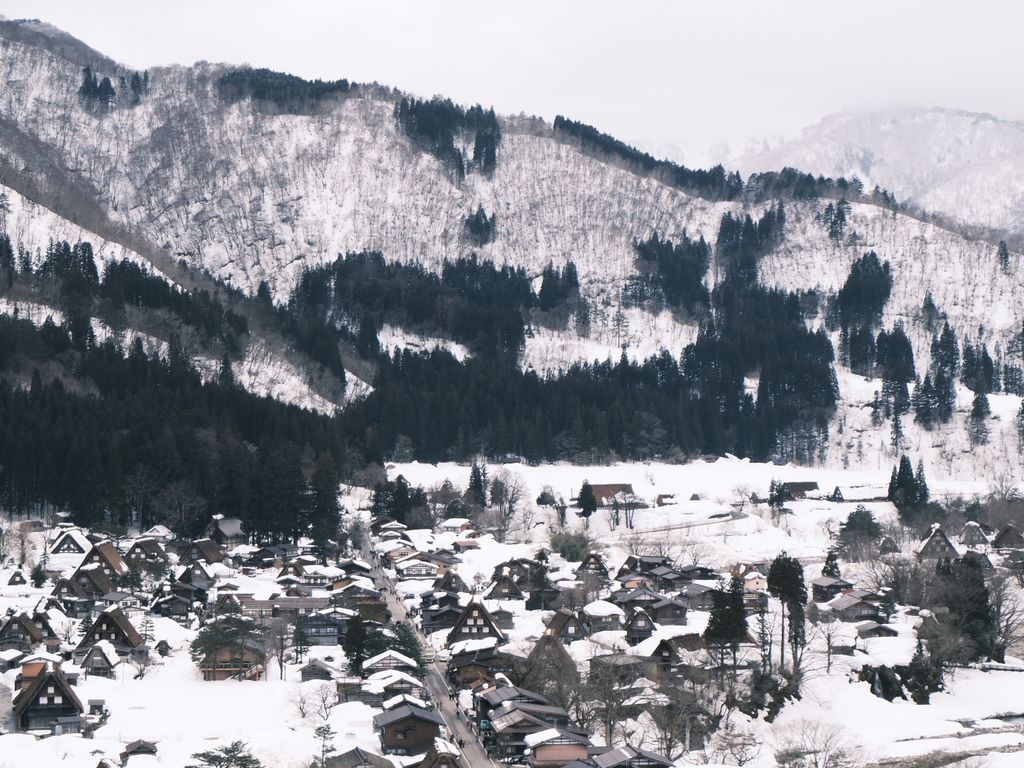
The thing about Shirakawa-go is that it doesn’t behave like other UNESCO World Heritage Sites. There’s no perimeter fence, no formal admission gate, no museum framing that tells you when to be impressed. You get off the bus, walk across the bridge over the Shokawa River, and the village just starts — farmhouses on both sides of the path, some with smoke rising from the roof vents, some with vegetable gardens still visible under the snow.
The farmhouses are genuinely large. The roofs are steep because they need to shed two metres of snow without structural failure. The window openings on the upper floors are sized for ventilating rooms full of silkworms. Every architectural decision has a functional origin. Standing inside Wada House and looking up at the wooden framework three floors above the ground floor, you’re looking at a building that was engineered for a specific climate over several centuries of iteration. The aesthetic is a side effect of the engineering.

Takayama operates at a different frequency from Tokyo. The pace on Sanmachi Suji at 8am — before the tour buses — is something closer to what the town probably felt like before the highway arrived. Sake brewery doors open. Morning light on the wooden lattice facades. A vendor arranging persimmons outside a shop that has been in the same family for four generations. None of this is performance. It’s just what happens in a town with enough local continuity to still be doing what it has always done.
The transit tee doesn’t perform here. It doesn’t need to. What this route demands is a single layer that works at 3°C in the mountain pass and doesn’t become a liability when you warm up inside a three-hundred-year-old farmhouse. A soft, breathable everyday shirt that goes from the bus seat to the snow path to the observation deck without asking anything of you. The kind of garment that earns its place in the bag by never becoming the problem.
Ogimachi Village, Shirakawa-go
The main village of Shirakawa-go and the transport hub for the region. Approximately 114 gassho-zukuri farmhouses — some open as minshuku (guesthouses), some as museums, some still private residences. The Shiroyama Viewpoint above the village gives the full panoramic view. The village is walkable in 2–3 hours but rewards slower movement — the architectural detail in each building is substantial.
Wada House (和田家)
The largest gassho-zukuri farmhouse in Shirakawa-go. Designated a National Important Cultural Property. Open to visitors for ¥300 entry. Interior shows the three-floor structure — ground floor for living, upper floors for silk and gunpowder production historically, now displaying tools and domestic artifacts. The scale of the wooden framework becomes legible from the inside in a way it doesn’t from the exterior.
Sanmachi Suji, Takayama
The preserved Edo-period merchant district in Takayama’s old town. Three main streets (Kami Sannomachi being the most photographed) with original wooden merchant house facades, sake breweries, craft shops, and small restaurants. No entry fee. The cedar ball (sugidama) hanging at brewery entrances is an old signal that fresh sake has been produced — several breweries offer tastings. Morning is less crowded; tour groups arrive mid-morning.
Shiroyama Viewpoint
The observation point above Ogimachi village, reached by a 10-minute uphill walk from the bus terminal. The viewpoint looks down across the full village layout: the thatched roofs, the Shokawa River, the surrounding mountains. In winter, the scene is snow-covered farmhouses with smoke from interior hearths. In autumn, the same view with red and gold foliage. This is the photograph most people have seen before arriving — seeing it in person recalibrates the scale.
Miyagawa Morning Market, Takayama
Daily market along the Miyagawa River until noon. Local vendors sell mountain vegetables, pickled foods, local crafts, pottery, and street snacks. The Jinya-mae Morning Market (smaller, near Takayama Jinya) runs concurrently on the opposite side of the old town. Both are free to enter. Arrive before 9am for the quietest atmosphere and best vendor interaction. Cash only at most stalls
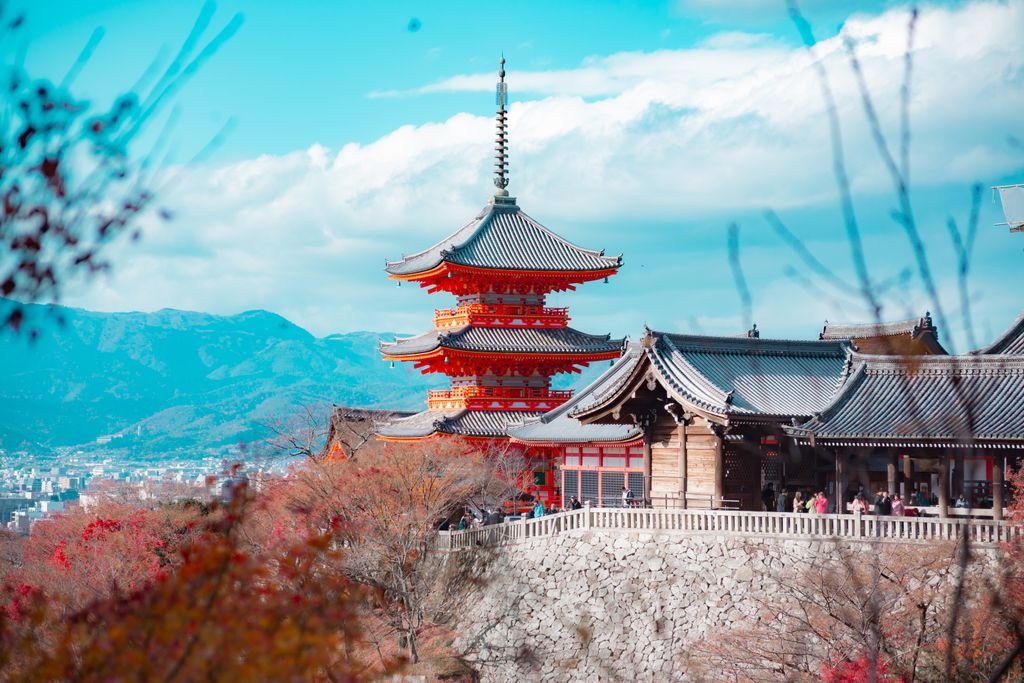
Japan’s Four Seasons — What You’re Actually Choosing
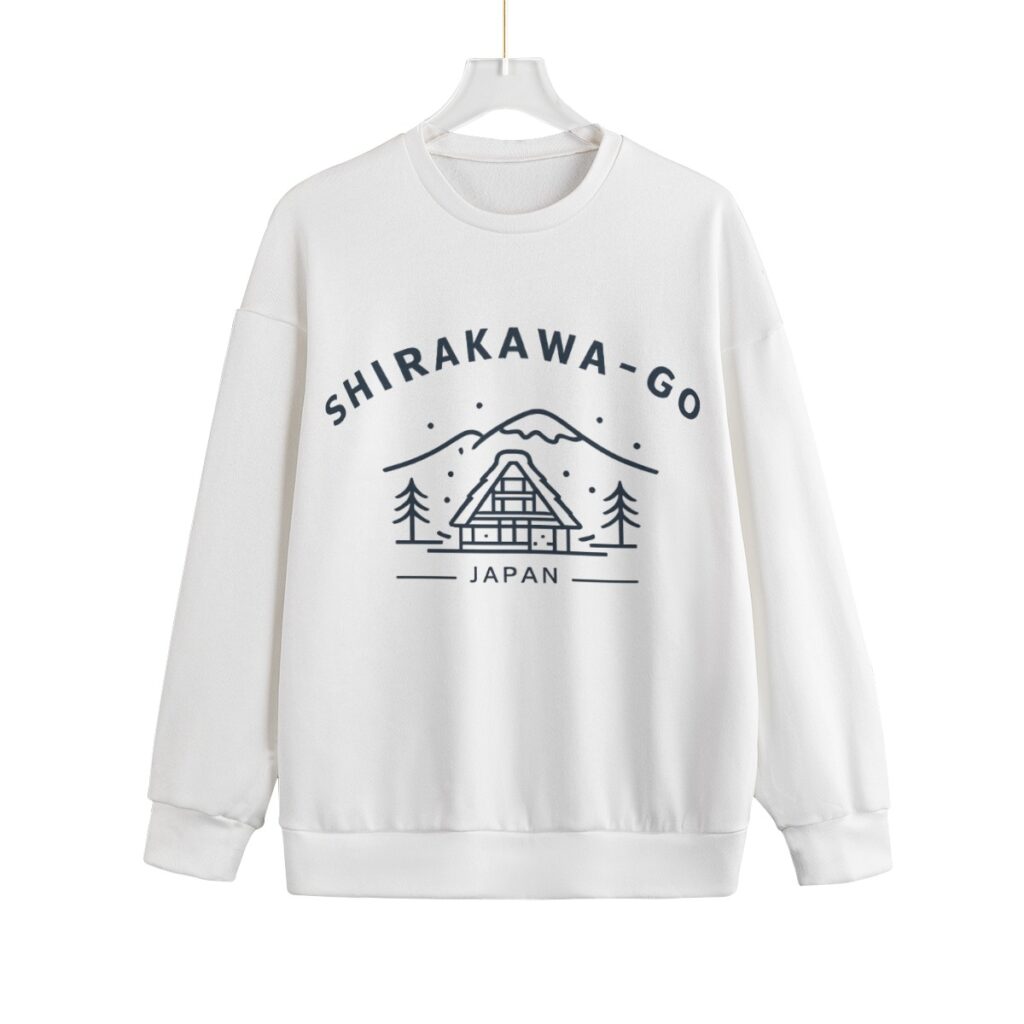
Travel-Inspired Statement Tee · Shirakawa-go Route · Daily Wear · POD
The Micro-Route Series: Tiny chest prints for silent coordination.
Wear the route. Own the story

1–2 metres of snow. Farmhouses at their most iconic. Illumination events Jan–Feb (limited quota, pre-booking essential). Temperatures −3 to 6°C. Roads open but delays possible. The definitive version of the village.
Foliage peaks late October. Doburoku Festival in October (local sake, folk performance). Daytime 9–18°C, nights near 0°C by November. Highly photogenic. Shoulder-season crowd balance. Good entry point for first-timers.
Snow melts, rice fields planted. Cherry blossoms in Takayama early April. Moderate temperatures 10–20°C. Golden Week (late April–early May) brings peak crowds — accommodation books out months ahead. Quieter shoulder in March.
Greenest landscape of the year. Fewer foreign tourists. Humidity moderate due to mountain elevation. Daytime 25–30°C, cooler evenings. Rain season June–July. Off-peak pricing on accommodation. The uncrowded version of the route.
Important Things you should not miss
Citizens of many countries (including most of Europe, USA, Australia, Philippines, Singapore, and others) receive 90-day visa-free entry to Japan for tourism. Confirm your specific nationality’s status with the Japan Ministry of Foreign Affairs before travel — rules vary. Passport must be valid throughout your stay.
Japanese Yen (¥ / JPY). Japan remains heavily cash-dependent. Suica and ICOCA IC cards cannot be used on Nohi Bus services to Shirakawa-go — carry cash for bus tickets. ATMs at 7-Eleven and Japan Post are most reliable for foreign cards. Credit cards accepted at hotels and some restaurants; not reliable at smaller village vendors.
Highway buses from Takayama and Kanazawa to Shirakawa-go can be booked via japanbusonline.com or at Takayama Nohi Bus Center (next to JR Takayama Station). Advance booking strongly recommended during peak seasons (spring, autumn foliage, winter illumination weeks). Tickets sold up to 15 minutes before departure if space available — but do not rely on this during busy periods.
Takayama-Hokuriku Area Tourist Pass (¥19,800) covers unlimited JR trains Nagoya–Takayama–Toyama plus buses between Takayama, Shirakawa-go, Kanazawa, Toyama, and Takaoka. Useful if combining multiple legs. Shirakawago Gokayama Route Ticket (¥3,980) for one-way Takaoka–Takayama corridor including Shirakawa-go stop-off. Confirm current pricing — fares and pass conditions change.
Ogimachi village is not a theme park or open-air museum — people live in the gassho-zukuri farmhouses. Respect resident privacy, follow posted signs, and stay on designated paths. The Shirakawa-go Tourist Association manages visitor flow; overcrowding, especially during winter illumination events, is actively managed.
Japanese. English signage is present at major tourist sites in Takayama and Shirakawa-go. Bus staff at Nohi Bus Center in Takayama generally assist with basic English. In smaller village shops and minshuku, Japanese is primary — useful to have Google Translate downloaded for offline use with camera translation.
Commuter Wellness & Safety tips
Travel-Inspired Statement Tee · Shirakawa-go Route · Daily Wear · POD
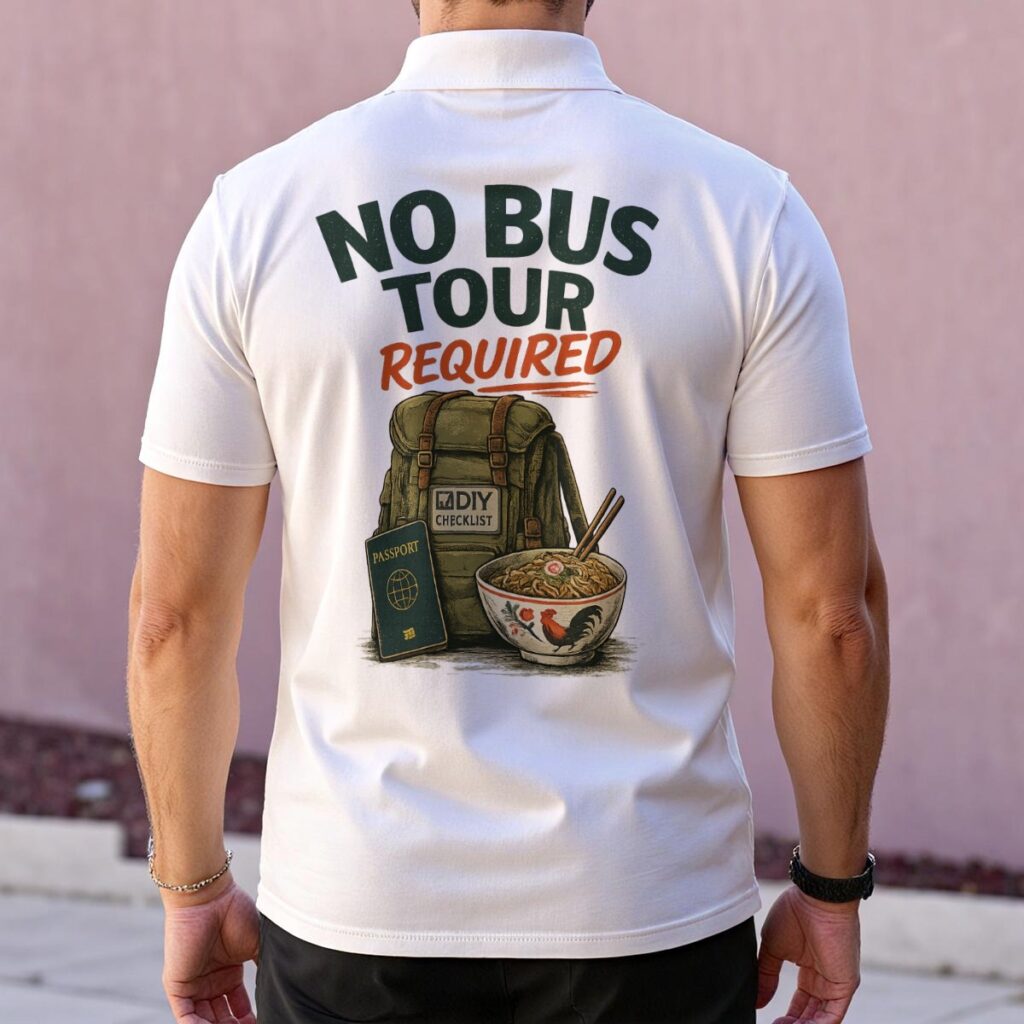
The Backgrid Manifesto Series: Clean and minimalist chest print from the front, but makes a massive statement graphic design to make your independent travel ethos unapologetically clear to the crowd behind you.

💡”The walk to the Shiroyama Viewpoint is uphill and takes approximately 10 minutes. In winter, the path may be icy. In all seasons, it’s the most important 10 minutes of the visit — don’t rush past it to get back on the bus.”
Step count reality: Shirakawa-go’s Ogimachi is compact — a full circuit of the village involves roughly 6,000–10,000 steps. Combined with Takayama’s old town walk and morning market, a full day runs 12,000–18,000 steps. The mountain cold accelerates fatigue — especially in winter when the air is dry and temperatures hover near 0°C. Hydration is easier to forget in cold weather. Warm liquids are available in every farmhouse café and rest stop.
Layering is the real gear requirement: The bus ride from Takayama to Shirakawa-go traverses a mountain pass. Temperatures drop noticeably between the valley and the village. In winter (Dec–Feb), daytime highs average 3–6°C with nights at −3°C or below. A breathable base layer that traps warmth without bulk matters more here than at most destinations on this itinerary series. The transit tee as a base under a packable mid-layer is the practical configuration for this route.
Safety and road conditions: During heavy snowfall, bus schedules to Shirakawa-go may be delayed. Monitor Nohi Bus’s official announcements if travelling in winter. The observation viewpoint path can be icy in winter — watch footing on the ascent and descent. Inside the village, paths are maintained but snow-covered sections remain. Waterproof footwear is strongly recommended for the Dec–Feb window.
Field Notes: The Hidden but not hidden Geometry
🍺
The sugidama at Takayama’s breweries: The cedar ball (sugidama, 杉玉) hanging at the entrance of sake breweries in Sanmachi Suji is an annual installation. A fresh green ball is hung at the start of the new brewing season in autumn — the date varies by brewery. As the season progresses, the ball dries and turns brown. By spring, a fully browned sugidama signals a mature, aged sake. The colour of the ball is a visible fermentation calendar. Most tourists walk past it as a decorative element; it’s actually a production update.
Why People Extend Their Stay and you should too
The standard reason: the winter illumination event. The numbers are limited (the quota system exists because the event had grown unsustainable), the dates are specific, and the experience — the farmhouses lit from inside against two metres of snow at 5:30pm on a January Sunday — is the kind of thing that creates return visitors. People book again the following winter before they’ve finished the current trip.
The less-expected reason: Hida Folk Village (Hida no Sato) on the outskirts of Takayama, an open-air museum of relocated traditional structures. It’s the version of Shirakawa-go where you can move through the buildings more freely, without the felt responsibility of a living village. Some travellers spend a morning there and come away understanding the architecture better than the main village visit made possible. A useful addition to Day 2 if pace allows.
The second-less-expected reason: Takayama ramen. Soy-based broth, thin curly noodles, local toppings. Not famous in the way Sapporo or Hakata ramen is famous. But it’s what you eat at 7pm in a small restaurant on a side street in the old town when the temperature has dropped to 3°C and the sake from the afternoon tasting is wearing off. People come back for the ramen more than they admit.
What follows you home that lingers
You don’t take a good photograph of Shirakawa-go. Not really. Every photograph you take looks exactly like the photographs you saw before you arrived. The village has been photographed so thoroughly that your frame is already somebody else’s frame. What you don’t photograph is the sound of the bus leaving after you get off — the engine sound receding into the mountain valley, and then quiet. And the first three seconds after the quiet, where you’re standing in a UNESCO World Heritage site and there are no signs telling you what to do next.
The transit tee went into the bag in the same state it left the laundry. It came back with bus dust and the particular smell of mountain cold. That’s not a selling point. That’s just what happens to a garment that does its job on a route this honest. Through delays and detours. The shirt that makes it through without requiring attention. That’s the whole brief.
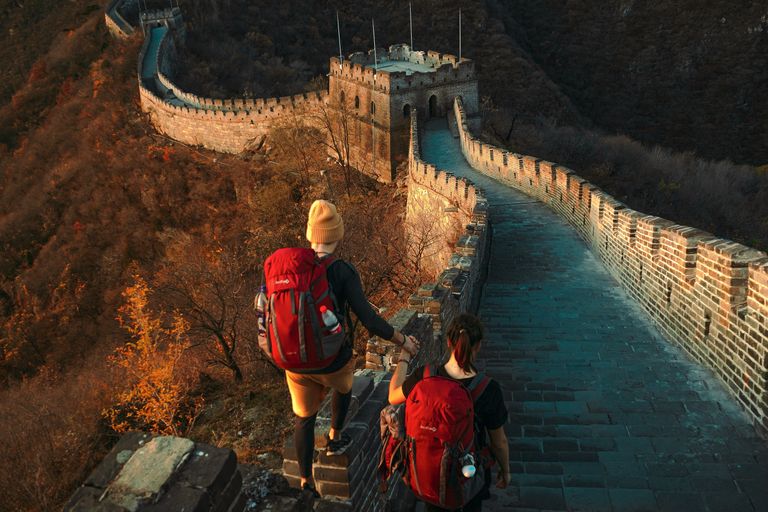
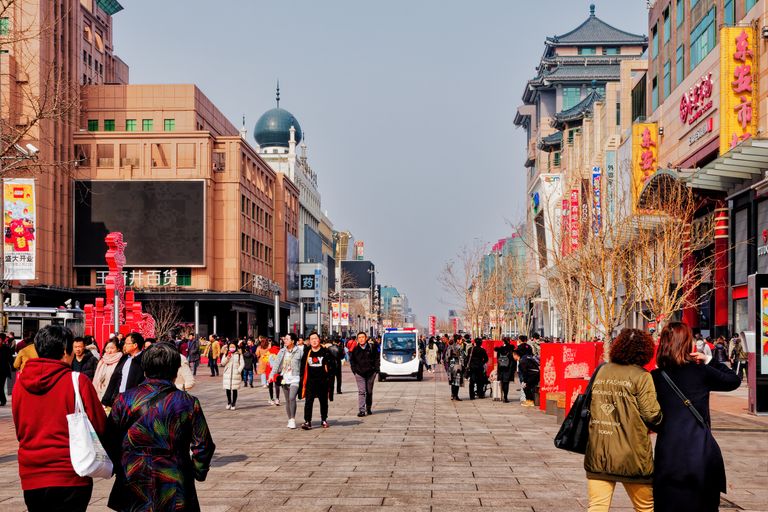
The transit tee went into the bag breathable and came out functional. It was on the metro platform at Dongzhimen at 7am, on the ridge at Mutianyu at 10am, in the hutong at dusk. It absorbed the summer and kept moving. That’s the whole job description.
Adapt and continue. The route always has another leg. Continue your adventures, explore Shirakawa-go & Takayama, Japan — 5-Day Ground Route. More to discover at The Route Files.
⚠️Last bus timing is critical: Shirakawa-go has no alternative transport out of the village after the last bus departs. Taxis are not readily available. If you miss the last Nohi Bus, your options are limited. Know the last departure time before entering the village.
About Our Travel Guides and Stories
Tour & Tell Travel guides are built on real stories and experiences shared by our community, then backed by rigorous research and edited for clarity and structure. Please verify all costs, routes, and recommendations before traveling.
All transport information verified against publicly available sources as of June 2026. Confirmed details include: Nohi Bus Takayama–Shirakawa-go route fare approximately ¥2,600 (adult, one way) as reported by Snow Monkey Resorts and Japan-guide.com. Kanazawa–Shirakawa-go direct bus approximately 75 minutes, fare approximately ¥2,800 (confirmed via Yadotime, July 2025). Timetable updated April 1, 2026 per Japan-guide.com. Takayama-Hokuriku Area Tourist Pass ¥19,800 and Shirakawago Gokayama Route Ticket ¥3,980 sourced from Japan-guide.com. Winter illumination dates for 2026 sourced from Japan-guide.com.
Bus fares, JR train fares, and accommodation estimates are subject to change. IC cards (Suica/ICOCA) cannot be used on Nohi Bus highway services — verified per multiple independent traveller reports and bus operator information. Wada House entry ¥300 and Takayama Jinya ¥430 are reported figures — verify current entry fees on arrival.
This route requires on-site confirmation for: Last bus departure times from Ogimachi, current Nohi Bus and Hokutetsu fares, Kaetsuno Bus schedule to Gokayama, and winter illumination event quota booking procedures. Confirm all bus details directly at nouhibus.co.jp and japanbusonline.com before finalising travel dates.
Content produced for educational and travel-planning purposes. Transit tee product references illustrate a daily-wear garment category. Last editorial review: June 2026.
Wear the Route Lifestyle Gallery